Night Tide
Day 16 of my 31 Days of Horror viewing

For the last few years, I have used October to give myself a viewing assignment: a different horror film each day. Now that I have escaped the real life horror of New Zealand’s public service, I intend to write a piece inspired by each film.
My sixteenth film is Curtis Harrington’s Night Tide (1961).
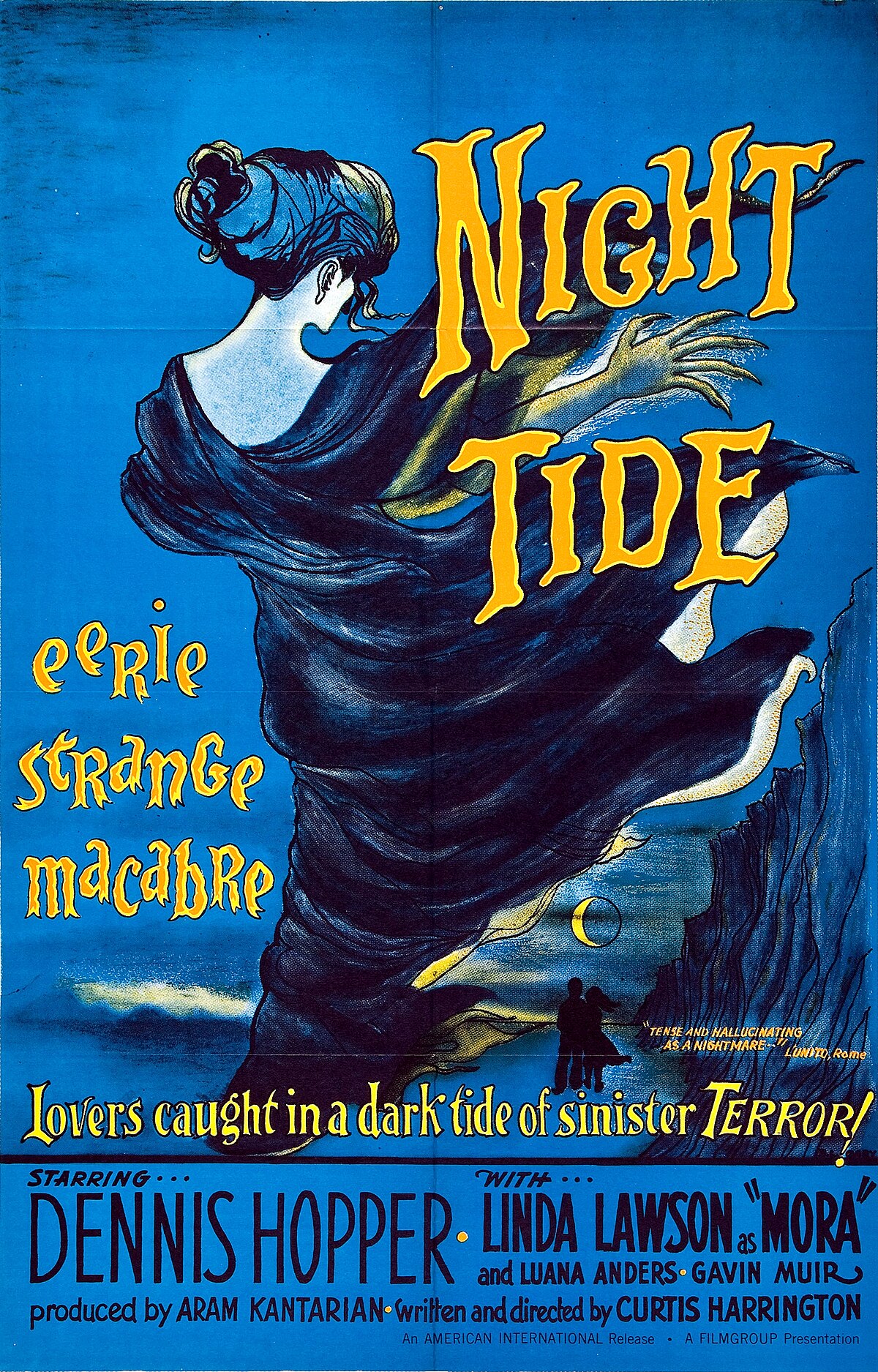
There are too few western horror films about maritime folklore. Most movies that deal with our fear of the ocean take a natural or science-fiction approach rather than a supernatural one. Of those that do exist (The Fog and The Lighthouse belong here too), Curtis Harrington’s beatnik oddity Night Tide is one of the best.
Johnny Drake (Dennis Hopper in his first starring role) is a young sailor on leave from the navy in Santa Monica. While in a jazz bar, he falls immediately for mysterious woman Mora (Linda Lawson). Mora initially tries to rebuff his advances (and fair enough, my man is way too pushy) but eventually gives into his charms. He discovers she was rescued from Greece as a child by the British Captain Murdock (Gavin Muir) who employs her in a sideshow attraction playing a mermaid. As the film progresses, Johnny starts to suspect that there may be some truth in her performance.
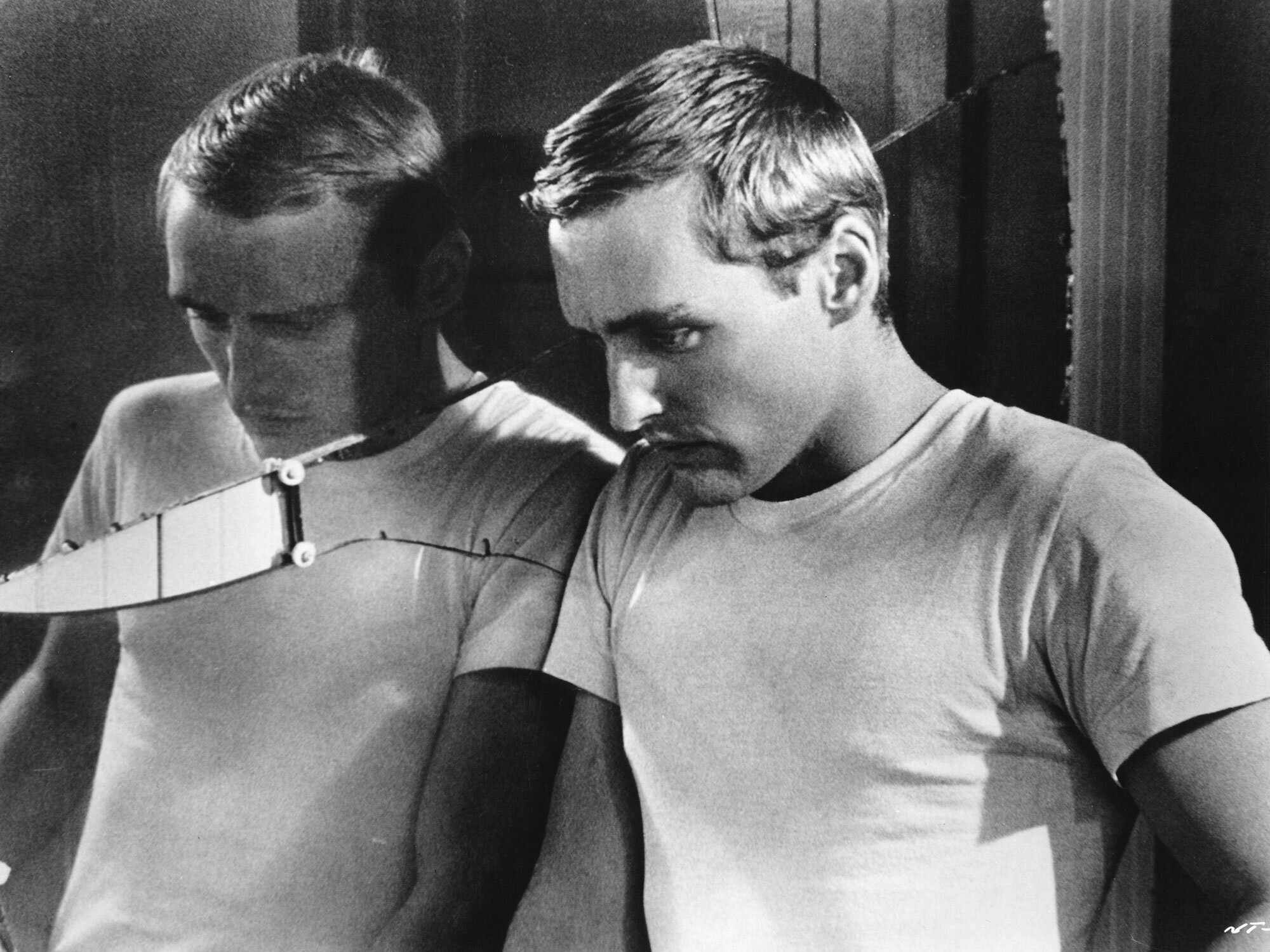
While the film explicitly draws from mythology about sea people (especially the Greek Siren), its narrative structure is very similar to Jacques Tourneur’s masterpiece Cat People from two decades earlier. As in that film, this follows a naive American who falls for a beautiful but troubled European woman who may or may not be a monster. Both movies even feature a wholesome American girl who would be a much safer partner for the protagonist. Europeans frequently played the role of the ‘other’ in Hollywood cinema (just think of the Universal Monster series) because Americans preferred to draw from that continent’s (perceived) longer history than acknowledge their own sordid past. Johnny is young and doesn’t know anything so needs to receive his exposition from the British Captain.
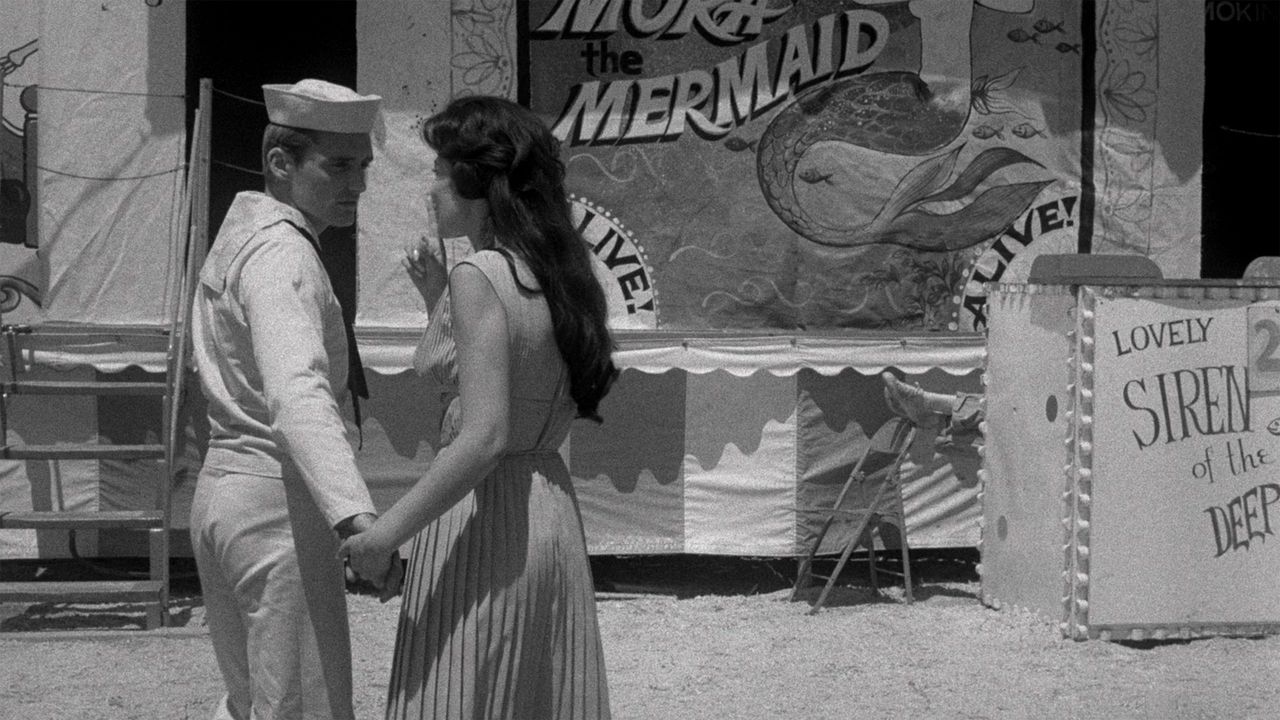
It is the sea people content that I find the most alluring though. Cultures around the world have stories of these figures from Ponaturi to the Undine to the Selkie (a metaphor that is straining from overuse and really needs to be retired). There is a risk of essentialising here: I have previously written about the way the term ‘vampire’ gets applied to various figures and I am not suggesting some kind of shared lineage. However, it is natural that our varied and intimate relationships with the sea would have independently resulted in stories about men that fall in love with aquatic beings they can never truly be with. This is particularly true for men that spend long periods at sea, away from two-legged women.
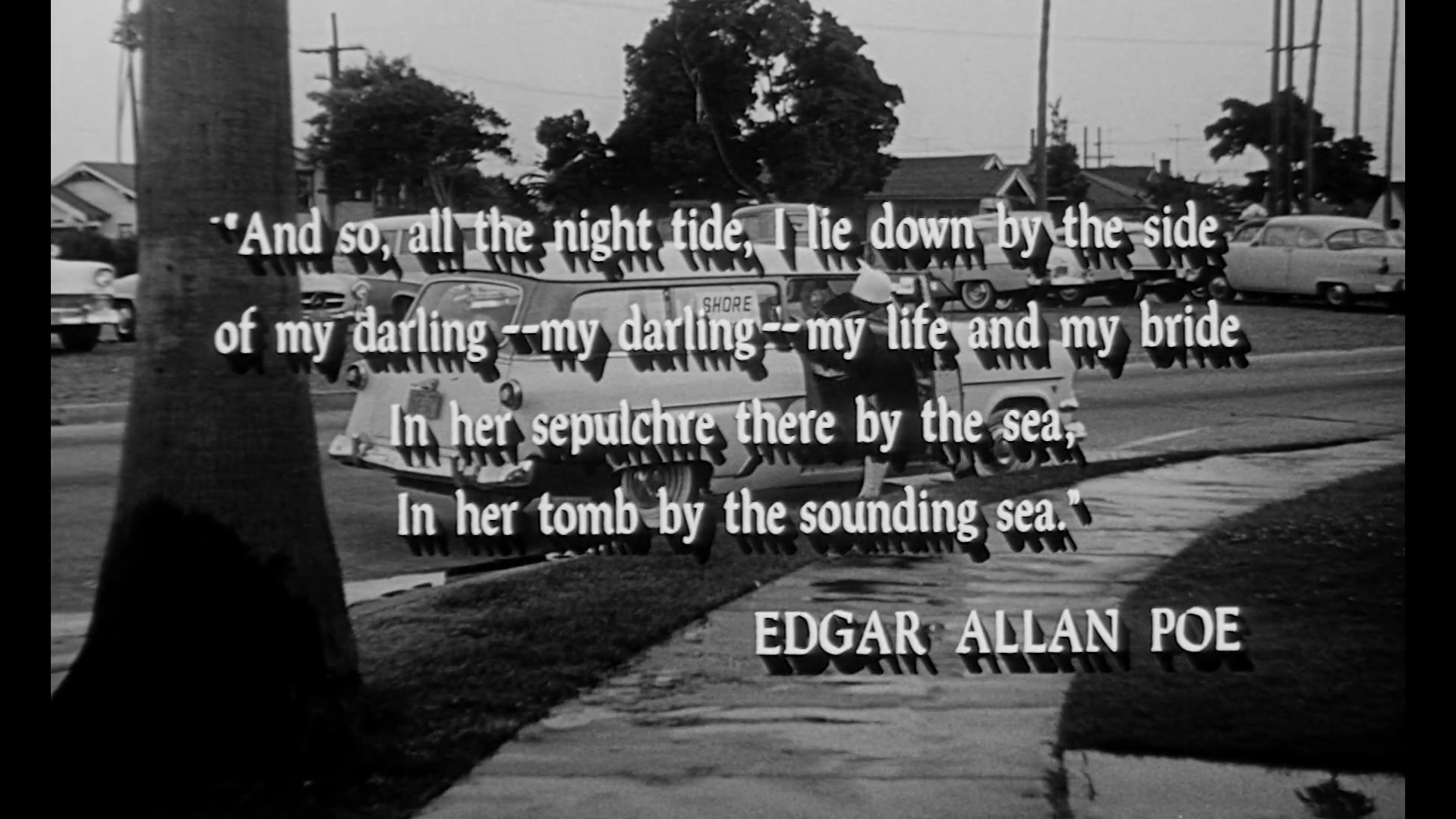
The film’s title comes from Annabel Lee, a poem by Edgar Allan Poe (and even originally played in a double-feature with The Raven). I was also reminded of one of my favourite poems: Ulek Mayang, a Malay song that appeals to the spirit of the sea (shout out to the incredible Heidi Shamsuddin for Nusantara – A Sea of Tales):
Text within this block will maintain its original spacing when publishedKu tahu asal usul mu
Yang laut balik ke laut
Yang darat balik ke darat
Nasi berwarna hamba sembahkan
Umbok mayang ku umbok
Umbok dengan jala jemala
Pulih mayang ku pulih
Pulih balik sedia kalaText within this block will maintain its original spacing when publishedI know your origins
Let those from the sea return to the sea
Let those from the land return to the land
I present the coloured rice
I persuade the mayang
Persuade it with shining nets
I heal with mayang
Bringing back to health