The 25 films I loved the most in 2025
For me, those unmoored days between Christmas and New Year are for catching up on as many as possible of the year's films.
As someone at the mercy of New Zealand release dates, it is often an exercise in arbitrariness to decide on a year to which a given movie belongs. Several of the films that critics have declared as among 2025's best (movies like Marty Supreme, No Other Choice and Hamnet) won't hit cinemas here for a few weeks and I'm keen to wait until then before watching them. Moreover, a few of the films below are 2024 films that showed in New Zealand cinemas this year.
On the other hand, there is stuff here that I saw overseas or in festivals that may not be currently viewable in Aotearoa. I promise I'm not trying to gloat, I just wanted to give these films a shout out!
Even with my 25 faves below, the list could be twice as long and still decent. The thing I'm most interested in is the way art ends up reflecting what's in the air. You'll definitely see a bias in my selection towards films that speak to the Current Moment and situate it within a historical context.
For example, in 2025, a surprising number of filmmakers used collage to include footage from different sources in their work. Adam Curtis graced us with another strong archival doco, the new Mission Impossible film was little more than a clip show of better entries in its series and a number of my list do something similar.
This was also a year in which several of the greatest filmmakers had characters facing off against fascism and several of the hackiest used fascism as a lazy crutch.
Other themes that I've previously written about include comedies with actual jokes and films about child abuse.
The state of the movie industry may be bleak but it's always a good film year if you choose to watch good films. Here's 25 of them.
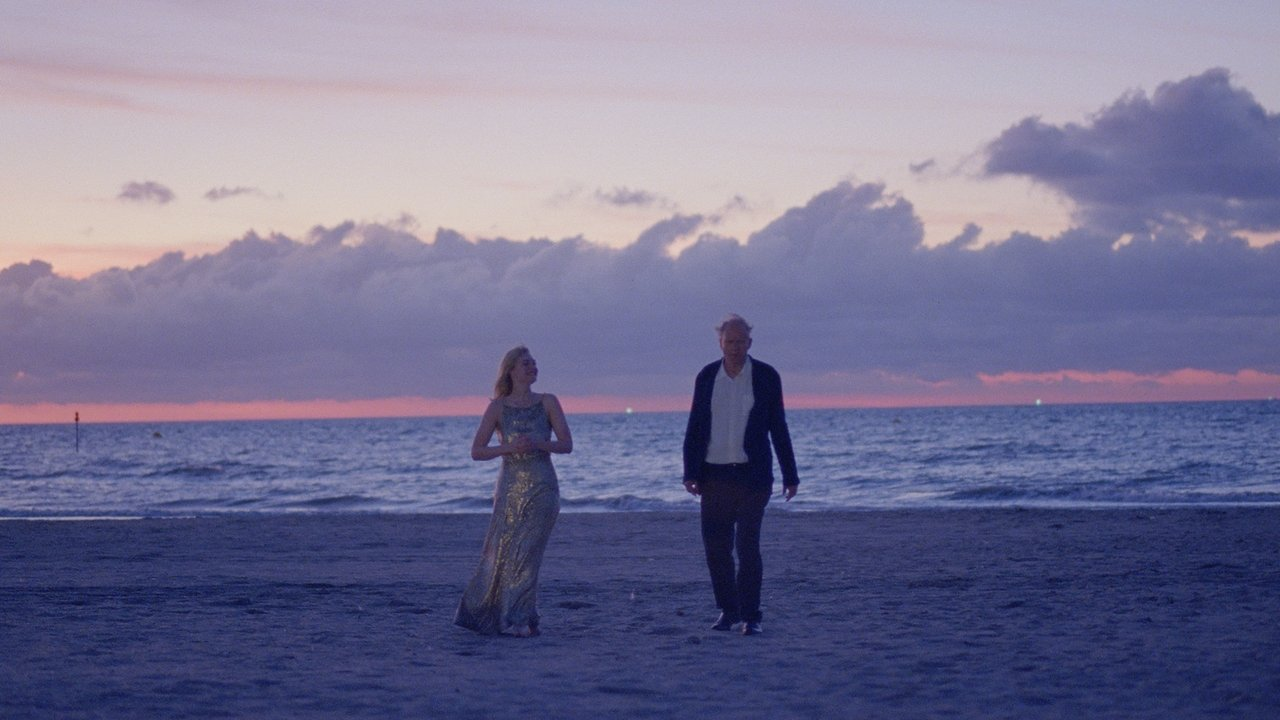
25. Sentimental Value (dir. Joachim Trier)
Sentimental Value is going to deserve most of the praise it gets. Stellan Skarsgård, Renate Reinsve and Elle Fanning are all outstanding as (respectively) a celebrated filmmaker, his estranged daughter and the earnest Hollywood starlet who he casts in his new film. As in The Worst Person in the World, Trier's jokes and emotional beats are spot-on.
I just wish he'd cooled it slightly with the self-satisfied Bergman references.
How you can watch it: Sentimental Value is getting a wide release from 8 January 2026.
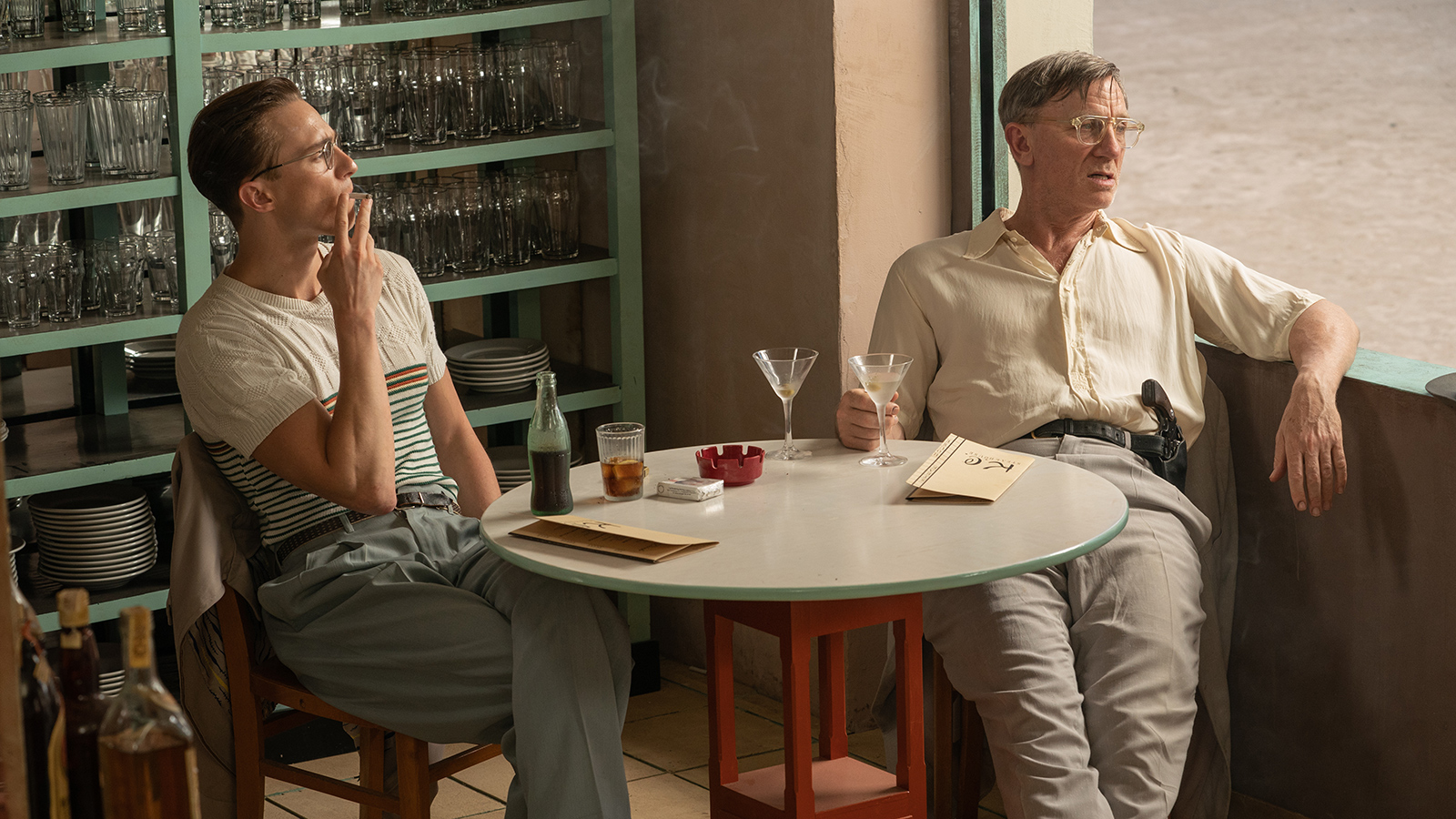
24. Queer (dir. Luca Guadagnino)
With nothing but earnest concern for all the Knives Out fans, there was only one film I liked this year where Daniel Craig plays a mean gay guy in an unfamiliar environment.
I know Guadagnino is quickly becoming uncool (apparently After the Hunt sucks) but I have really dug most of his films to date. Whether he's working in (anti)-romance or horror, he's never afraid to deal with bodily fluids. Queer is an appropriately wet film, as sweaty as Challengers with none of that film's propulsion. What really endeared me to it though was its depiction of a relationship frustrated by two people who just can't seem to get on the same wavelength.
How you can watch it: Rent it from AroVision.
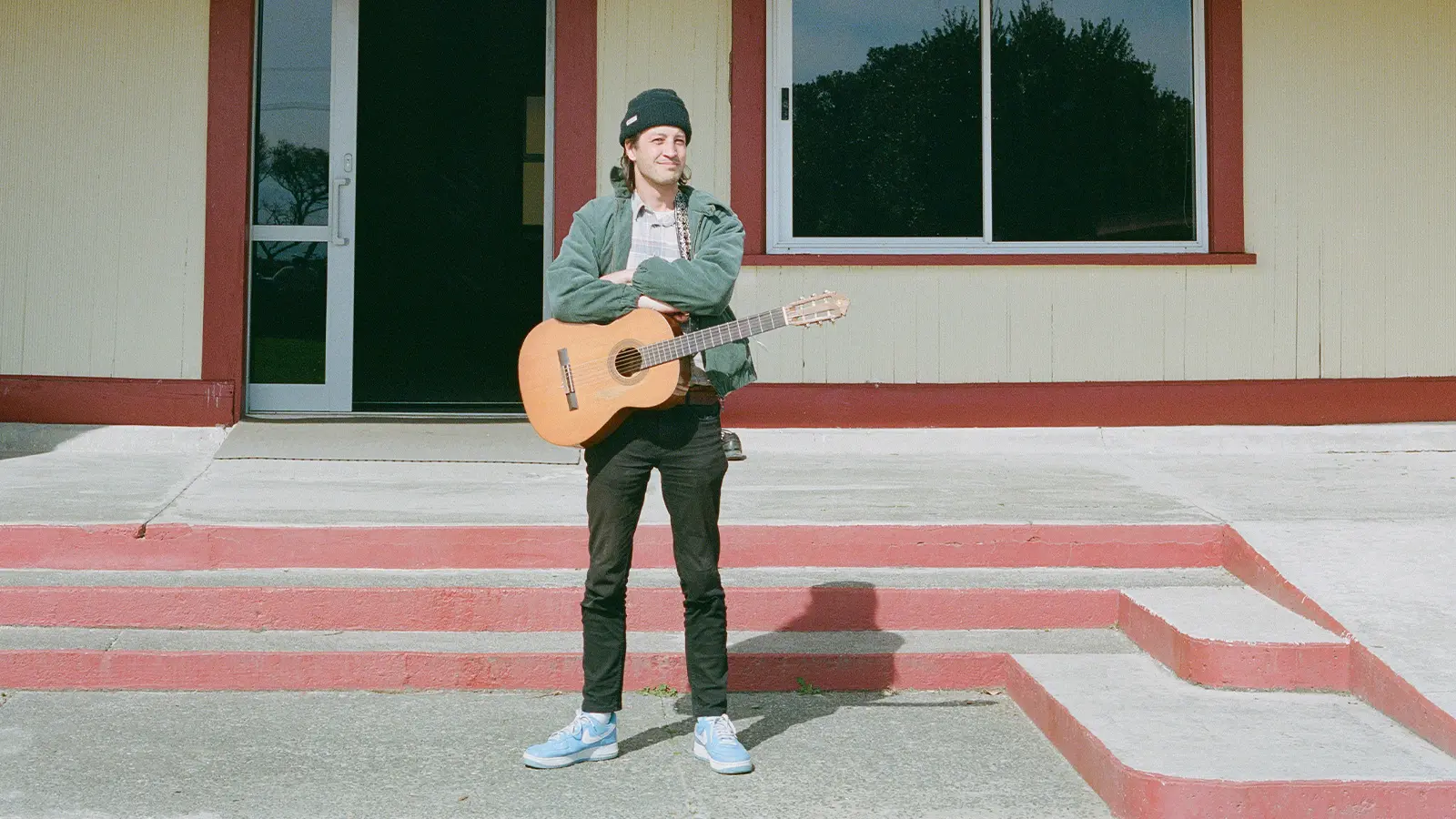
23. Marlon Williams: Ngā Ao E Rua - Two Worlds (dir. Ursula Grace Williams)
A lot of people love the music of Marlon Williams, especially after his outstanding Te Reo Māori album Te Whare Tīwekaweka. Typically, it takes seeing him perform live to fall in love with Marlon Williams the guy. This documentary is the next best thing.
It's a testament to Williams' charisma and affability that he can sustain a film with so little drama. That's not to downplay the uphill battle he faced in writing and recording an album in a language he is working to reconnect with. But as a subject, he seems to take every challenge (no matter how existential and intergenerational) with a grin.
And sometimes the artistic process doesn't need to be traumatic to be rewarding. God knows the man has earned a victory lap!
How you can watch it: Watch it for free on Māori+.
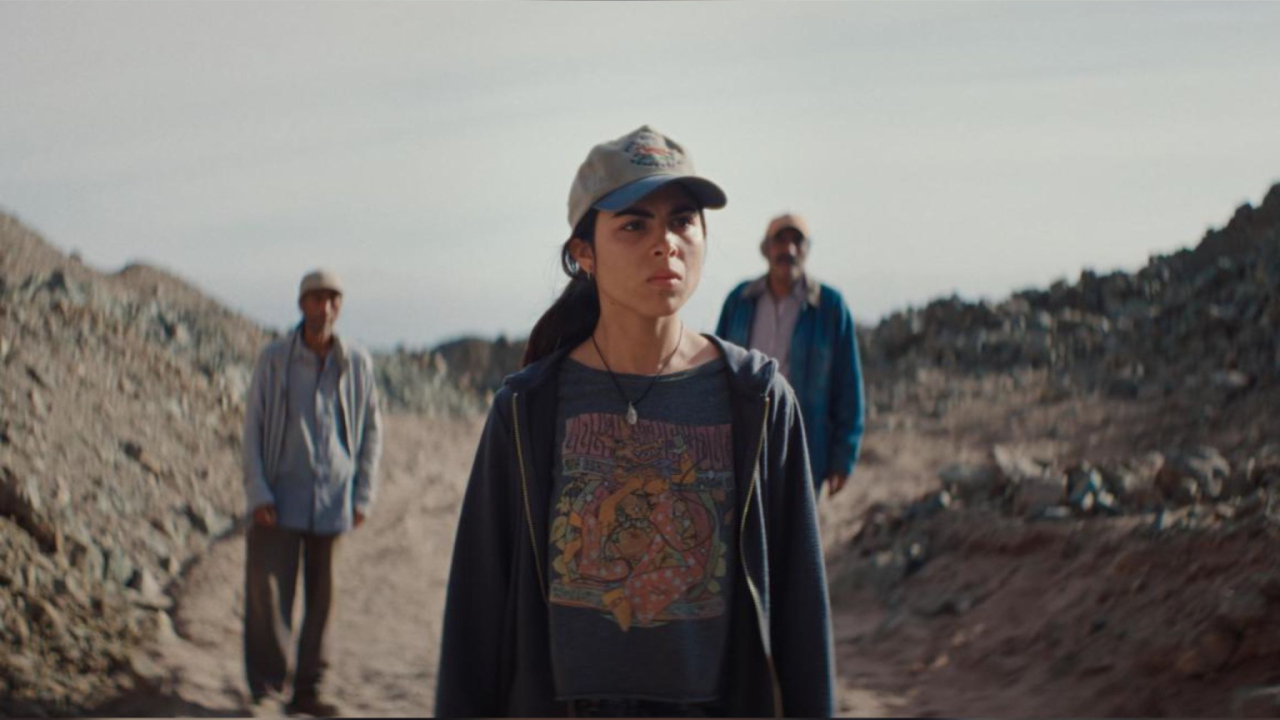
22. Bitter Gold (dir. Juan Fancisco Olea)
I felt spoiled by the quantity and quality of contemporary westerns in 2025. Eddington made my list. Train Dreams was close. But this Chilean film was the one that best scratched that particular itch.
Teenage Carola (Katalina Sánchez) steps in to protect her father's illegal gold mine from a group of men that have no intention of letting a girl muscle in on their stake. The madness of gold is a common theme in the genre but Bitter Gold breaks with tradition in one key aspect. While the John Ford (or David Lynch as John Ford) rule dictates that a shot is much more interesting when the horizon is either near the top or the bottom of the frame, this film is nearly entirely 50/50 land and sky. That's an interesting proposition for the Atacama Desert specifically where artists have long thought about the way the desolate landscape mirrors the clearest sky in the world. Both may seem empty, but Carola knows there's more to it than meets the eye.
How you can watch it: There is not currently any way to legally watch Bitter Gold in New Zealand.
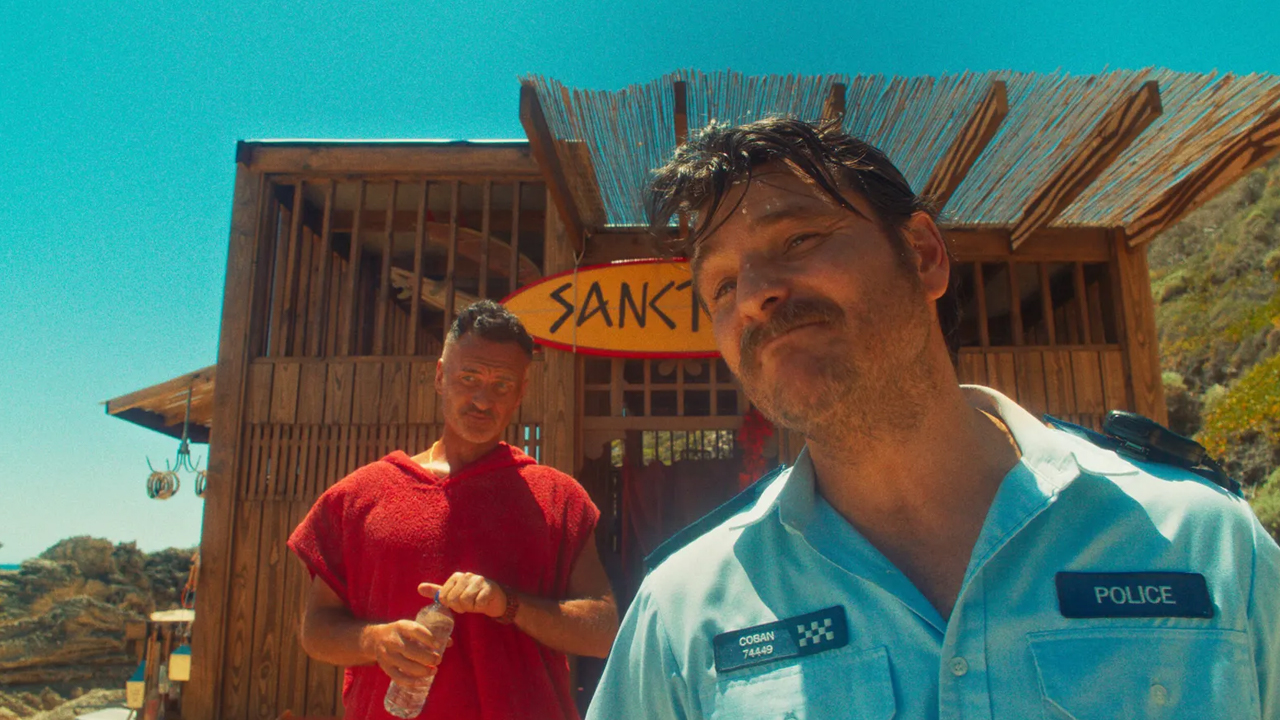
21. The Surfer (dir. Lorcan Finnegan)
If an 'Ozploitation' film starring Nicolas Cage as a guy who just wants to surf on his childhood beach sounds a bit try hard, it's because you haven't seen The Surfer yet.
In Bodies That Matter on the Beach, Aileen Moreton-Robinson writes about the significance of the beach in the White Australian psyche:
The production of the beach as a white possession is both fantasy and reality within the Australian imagination and is tied to a beach culture encompassing pleasure, leisure, and national pride that developed during modernity through the embodied performance of white masculinity.
In The Surfer, the gang of 'Bay Boys' who gatekeep the beach represent the worst of Australian white masculinity. They're vulgar, sexist, violent larrikins whose claim over the sea and sand is particularly flimsy. In opposition to these tossers, divorced dad Cage can't help but feel sympathetic even if he is just a slightly different flavour of toxic guy. When the film's only Indigenous character (Miranda Tapsell) tells Cage to pack-up and leave, she performs concern but it's hard to ignore the subtext.
And don't get me wrong, this film piles on the exploitation thrills. If you want to see Cage, wild eyed and dehydrated, go HAM on a bunch of demented Home and Away rejects, you'll get it. It's just that this film is very aware of what that violence represents.
How you can watch it: Rent it from AroVision.
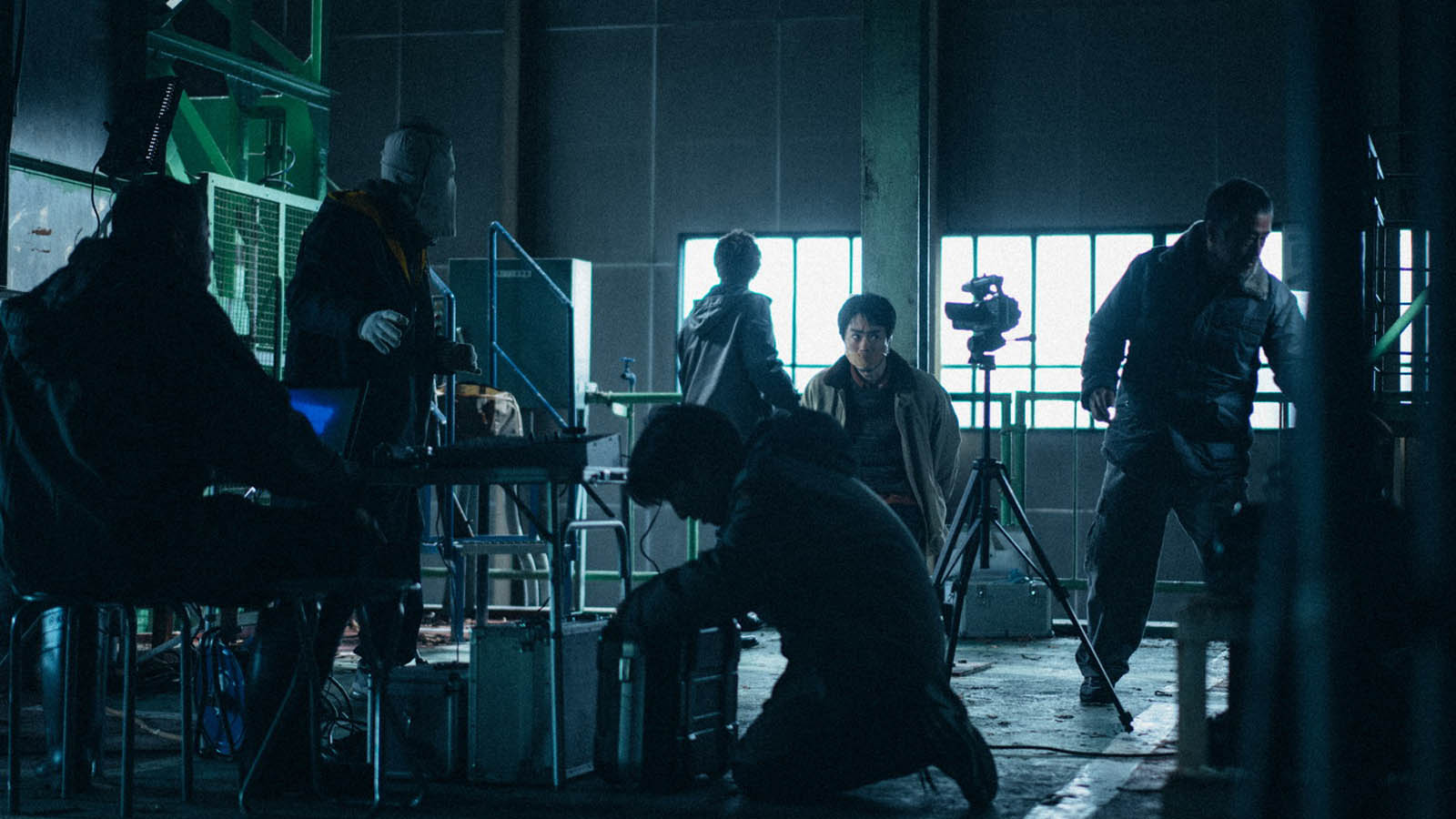
20. Cloud (dir. Kiyoshi Kurosawa)
In 2001, Kiyoshi Kurosawa directed one of my favourite horror films of all time, Pulse. Part of the turn-of-the-century 'J-horror' boom, that film saw our world being invaded by ghosts from the internet.
A quarter century later, we are living in the atomised hellscape that Kurosawa predicted, and a thematic sequel doesn't even need supernatural elements.
I've always thought of Kurosawa's films as 'decentralised horror', where the threat doesn't come from a specific 'monster' but a haunted society around us. That decentralisation can be seen in the title Cloud, as well as the way that literally anyone its dirtbag dropshipper protagonist encounters could be out for revenge. This is an absolute banger of a crime thriller grounded in our enshittified economy where it's grifters all the way down. Kurosawa even repeats a number of set pieces and settings from his earlier work, updating them for the grindset generation.
How you can watch it: There is not currently any way to legally watch Cloud in New Zealand.
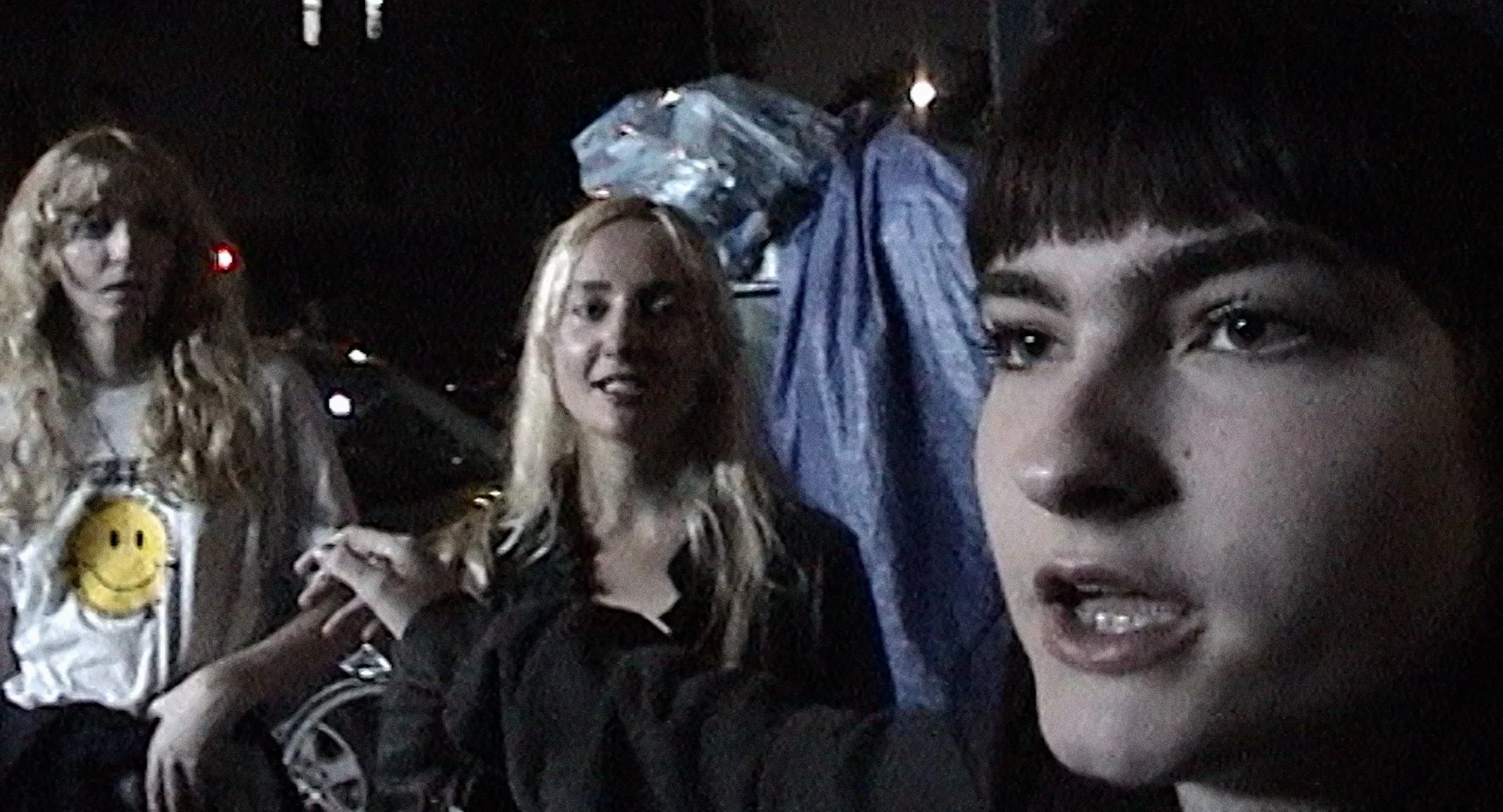
19. Castration Movie Anthology ii. The Best of Both Worlds (dir. Louise Weard)
In 2025, I was lucky to see both of the first two parts of Louise Weard's ultra lo-fi durational series. Part 2 is an insane five hours, over half of which is spent in a New York basement where a cult of trans women torture one another with therapy language. When Circle (Alexandria Walton) escapes, she finds a new set of challenges in the outside world.
This is the darkest comedy of the year, a punk horror that will enrage many who sit through it. The length gives a meta-quality to its focus on interpersonal cruelty but is also Weard letting herself exercise an indulgence that few trans filmmakers are allowed. This is best exemplified in Circle's split-screen meet-cute with cis love interest Keller (Ivy Wolk) where the social anxiety of a party where you know nobody becomes palpable. In a straight bit of synchronism, completely unrelated queer film Twinless used the exact same technique for the exact same purpose (albeit for a much, much shorter length of time). I really enjoyed the latter but seeing it after the emotional exhaustion of Castration Movie made it feel a bit safe.
How you can watch it: You can buy both parts of Castration Movie direct from Louise Weard.
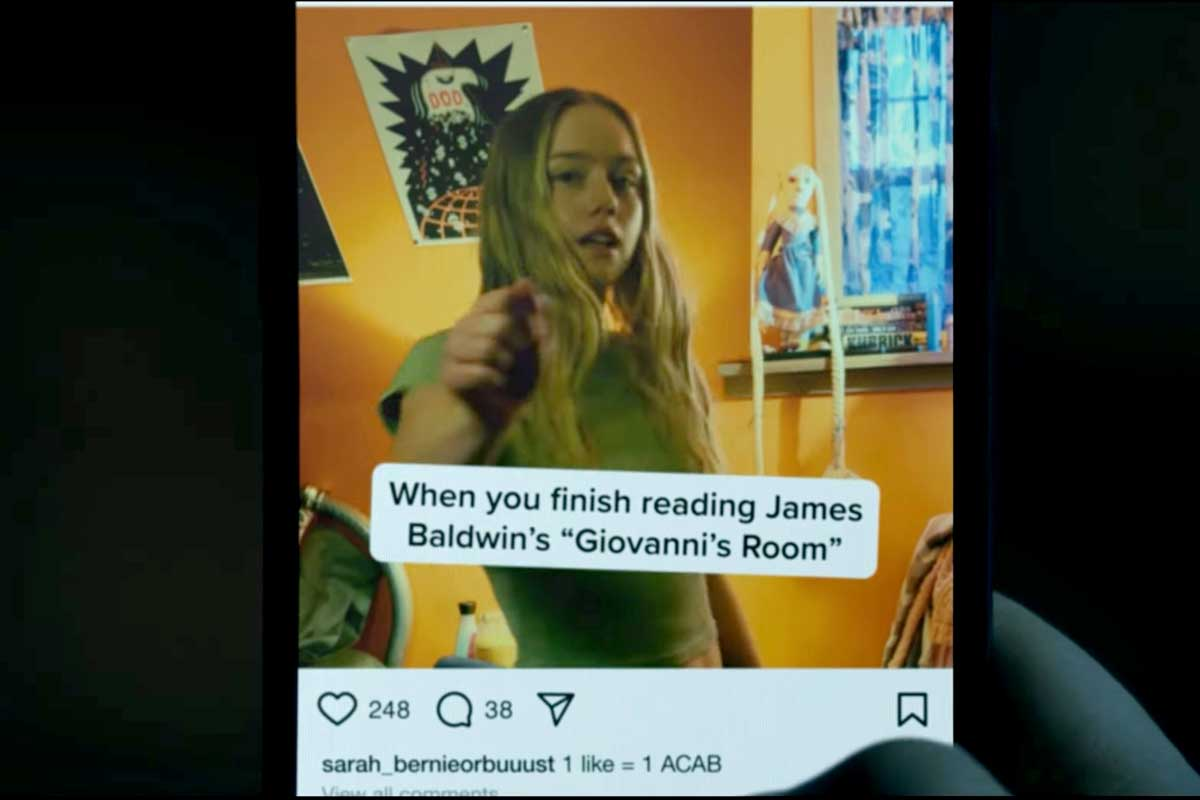
18. Eddington (dir. Ari Aster)
When it first played festivals, a number of handwringers were genuinely concerned it might be 'too soon' for Eddington's COVID-era satire. Since then, it seems to have only become more prescient for how it portrays our current political moment. I'm not saying that all the jokes hit and your mileage may vary, but Ari Aster could not have been more spot-on in his diagnosis that so many of our political figures, hard-right and shit-lib alike, are driven by petty sexual resentments.
How you can watch it: Eddington is available to stream across a number of mainstream sites.
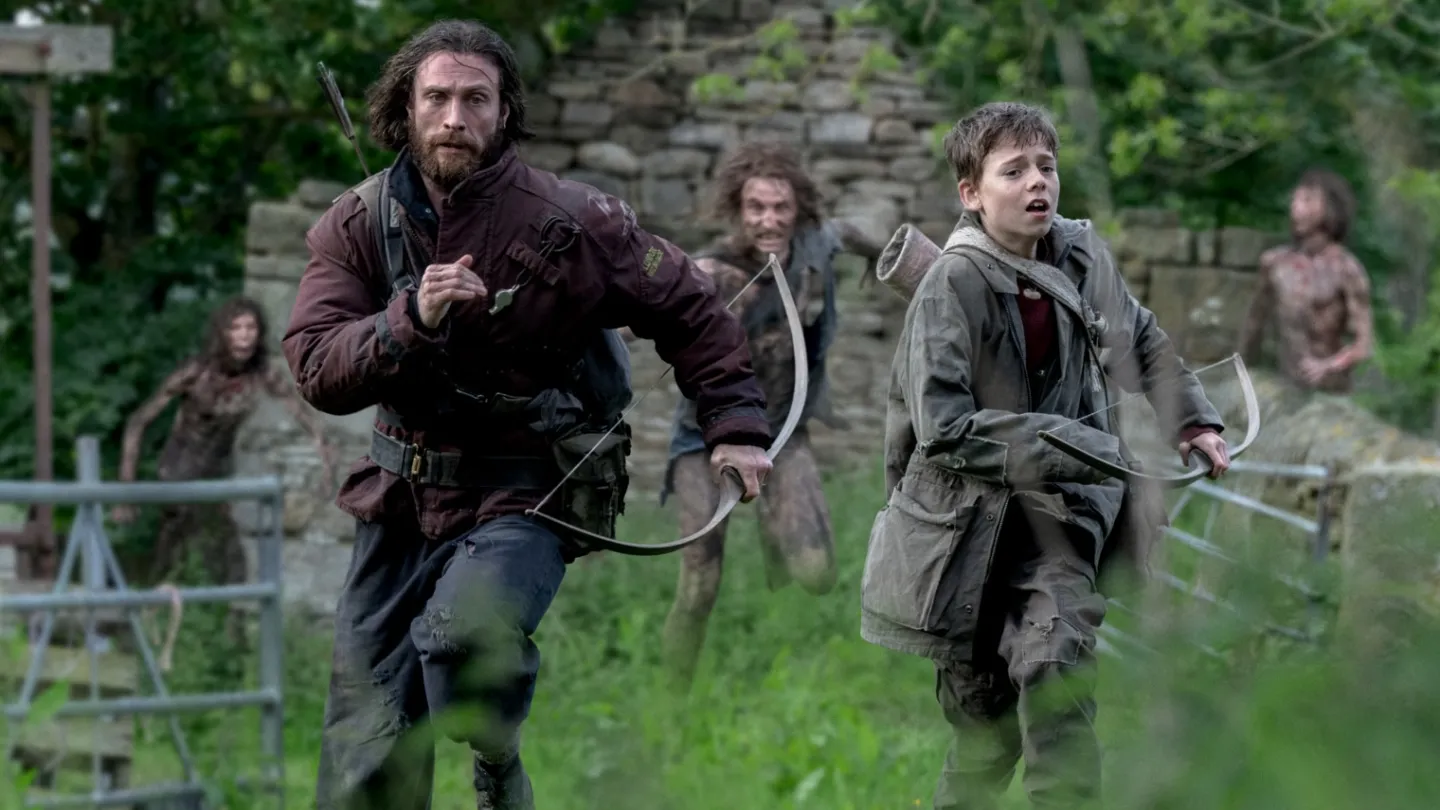
17. 28 Years Later (dir. Danny Boyle)
The latest film by Danny Boyle and Alex Garland has no right to be this good.
Screenwriter Garland (my personal nemesis) is still going back to his trusty well of gender essentialism, drawing from disproven theories about 'alpha males' for the zombies that populate Britain. Interviews with Garland suggest that he takes these ideas very seriously, nearly seriously as he takes himself.
But sometimes the tension between writer and director can make a film work. I always think about The Social Network, another great film by a movie by a writer I have no time for (Aaron Sorkin) whose liberal credulity is countered perfectly by David Fincher's cynicism. Similarly, the worst impulses of miserable pseud Garland are elevated by poptimist golden retriever Boyle who brings just the right level of silliness. His madman's sensibility can be seen in the film's Dutch tilts, archive footage, dream sequences, fast cutting, weird POV shots, etc. The same can be said for Ralph Fiennes whose emotionally mature, iodine-stained Dr Kelson is a silly character rendered profound by leaning into the silliness.
It's highly unlikely that Garland or Boyle shares my view on how the UK to become a degraded hermit kingdom (check out Adam Curtis' Shifty for a great companion piece) but their weird reunion has resulted in something with just the right sense of farce.
How you can watch it: Rent it from AroVision.
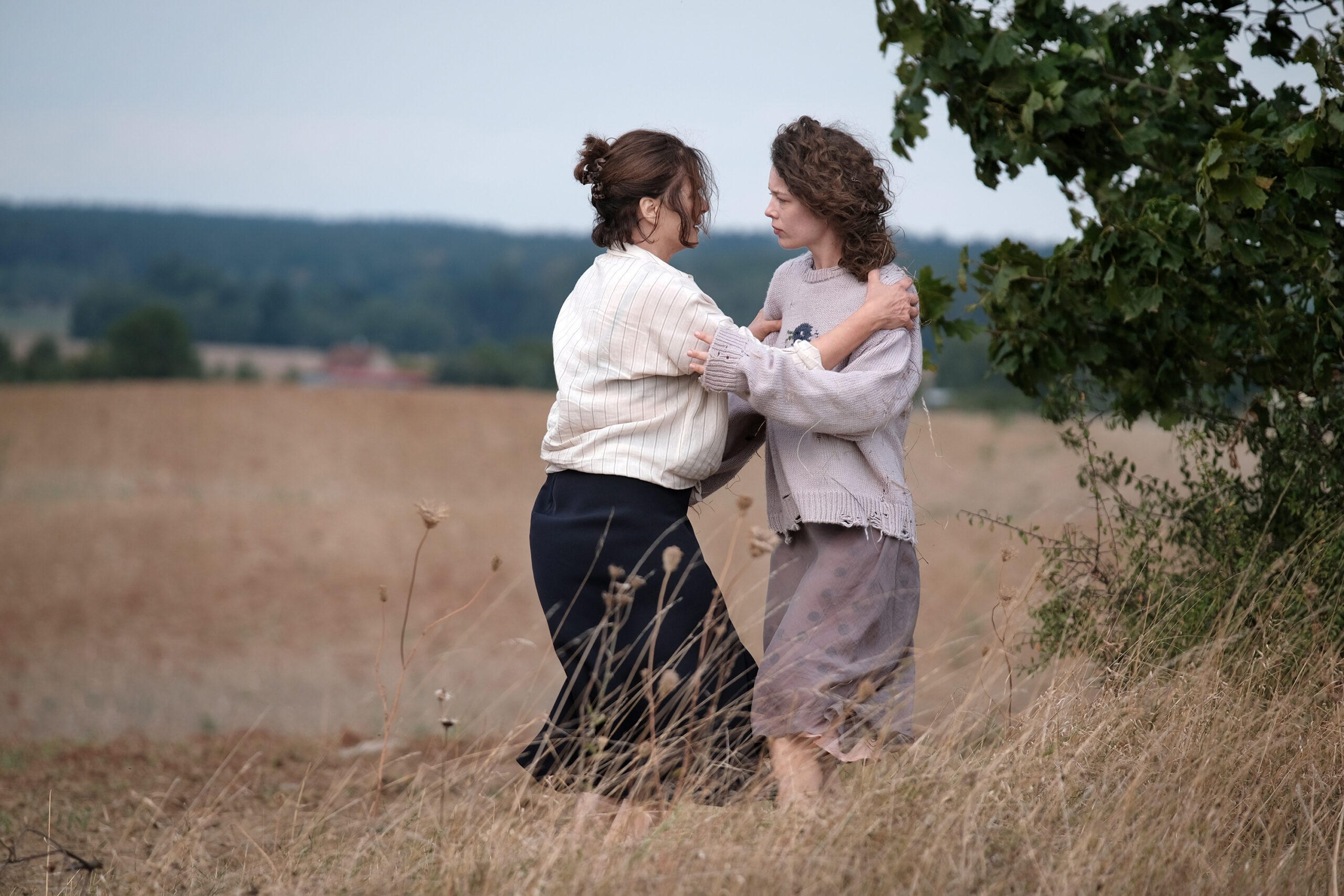
16. Mirrors No. 3 (dir. Christian Petzold)
With Mirrors No. 3, Christian Petzold and star Paula Beer round out a loose elemental trilogy starting with the water-themed Undine (decent) and Afire (my favourite thing he's ever done). The force that incites this film is wind, kicking off a series of events that are narratively understated but interpersonally devastating. After a car crash that kills her boyfriend, Laura (Beer) is taken in by a woman with whom she develops a familial bond.
Mirrors No. 3 is a low-key film by one of German cinema's GOATs that is completely elevated by one of the best needle drops of the year, Frankie Valli's The Night.
How you can watch it: There is not currently any way to legally watch Mirrors No. 3 in New Zealand.
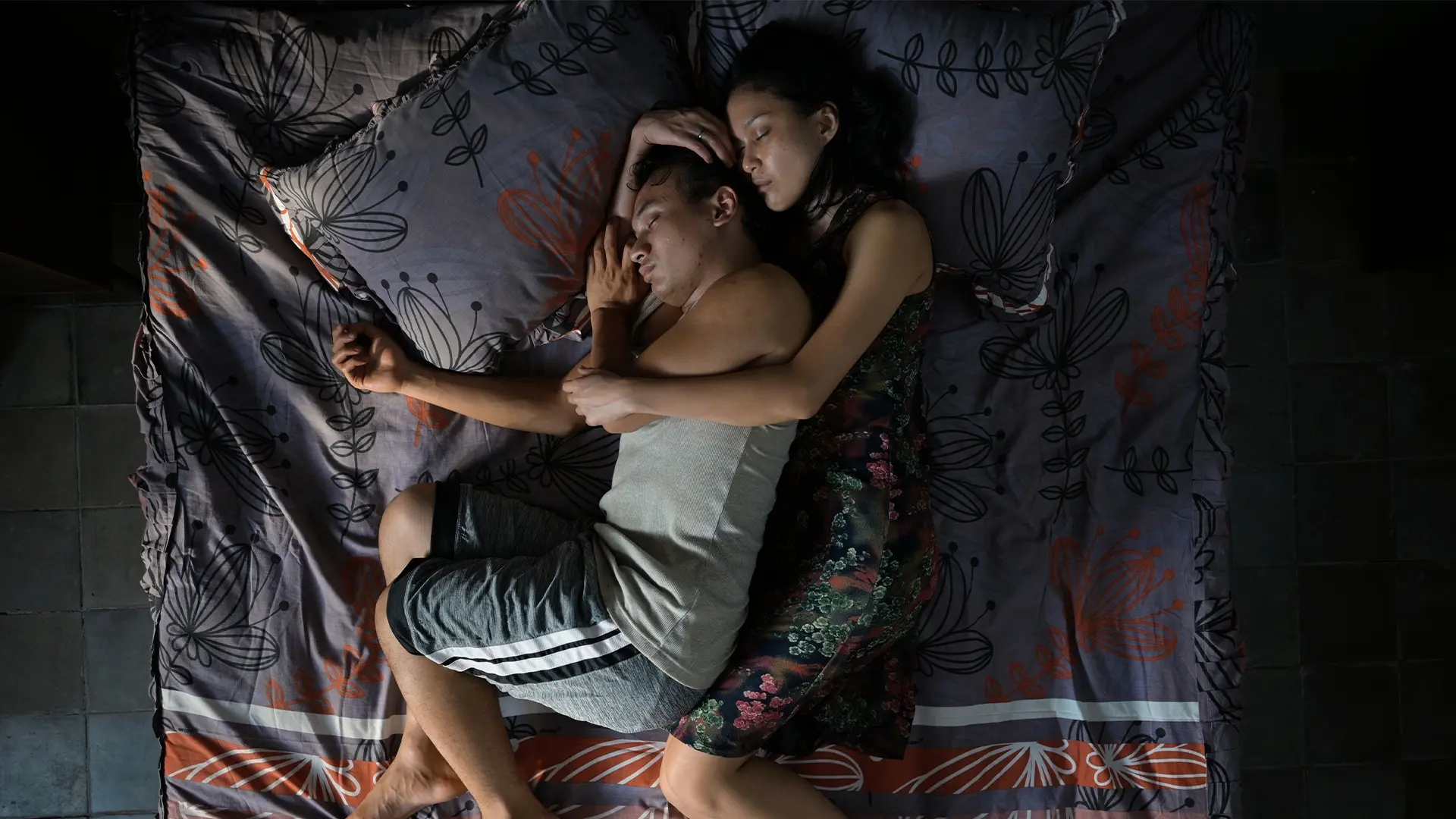
15. Crocodile Tears (dir. Tumpal Tampubolon)
Combining my love of eccentric small-town tourist attractions and white crocodile folklore, this dark comedy could not be any more in my wheelhouse. Add on top of this a sweaty psychosexual story of two strong-willed women fighting for the love of a hapless loser and you've got yourself a winning formula. Even without anything supernatural going on, Tampubolon can't help but frame his leads looking as long and reptilian as possible.
How you can watch it: There is not currently any way to legally watch Crocodile Tears in New Zealand.
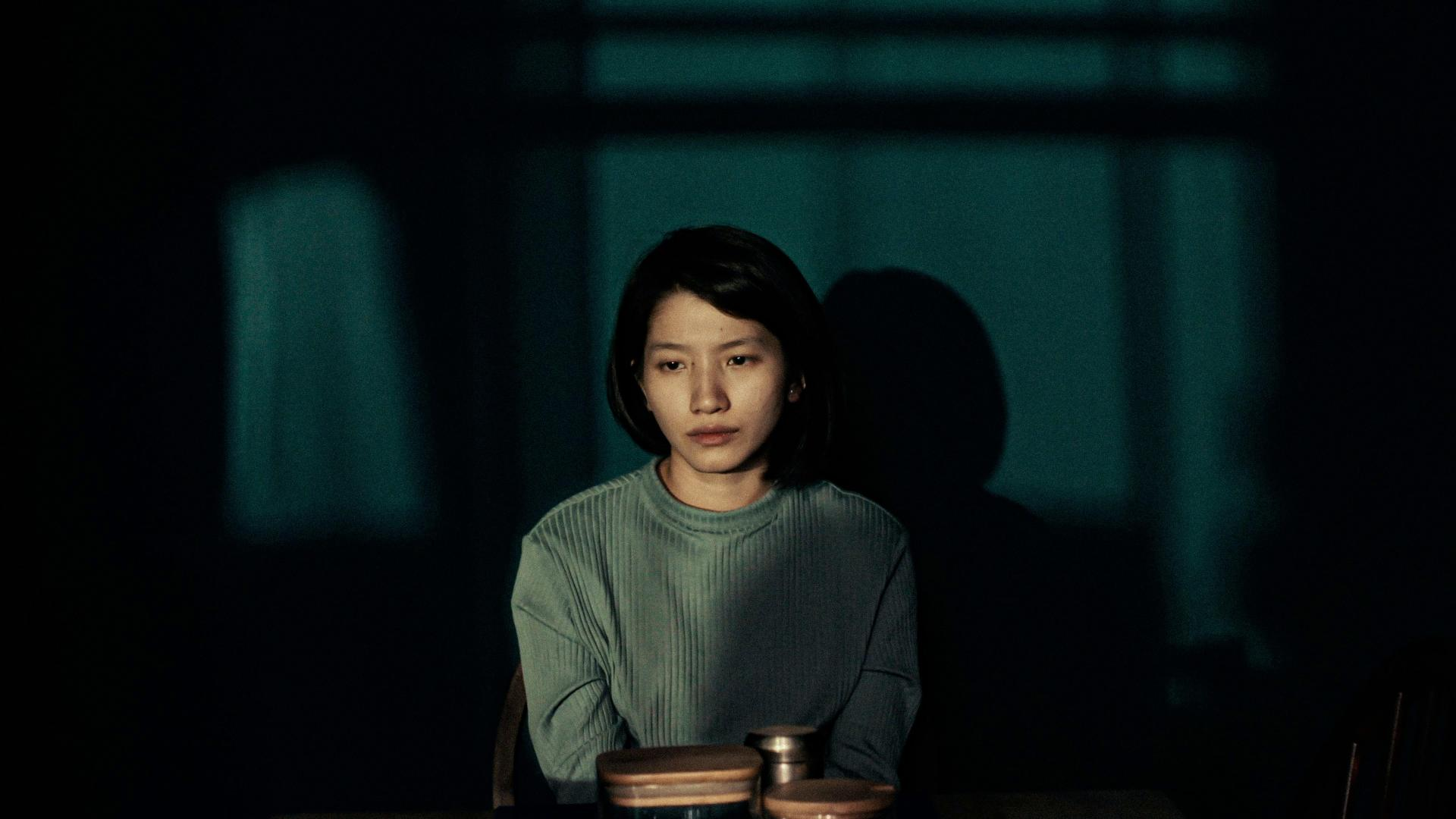
14. Sand City (dir. Mahde Hasan)
If you'll allow me to indulge my hackiest critical instincts, I have to say that in Sand City, the titular commodity is the central character. Don't get me wrong, there's two humans who move through its alienating Dhaka: Bangladeshi Hasan (Mostafa Monwar) and minoritised migrant Emma (Victoria Chakma) but the star of this film is sand or, more specifically glass.
Focusing on something as ubiquitous but invisible as glass trains the viewer to look for it in the frame instead of treating it as something that one looks through or sees a reflection in. Mirrors, lightbulbs, drinking glasses, neon lights, windows, phone screens, photo frames, etc. It’s even apparent when there’s no glass onscreen but holes in walls start feeling like windows and the river feels like a mirror. This focus emphasises its environmentalist themes, engaging with the supply chain at multiple points, as well as its social themes around disconnect, isolation and invisibilisation.
How you can watch it: There is not currently any way to legally watch Sand City in New Zealand.
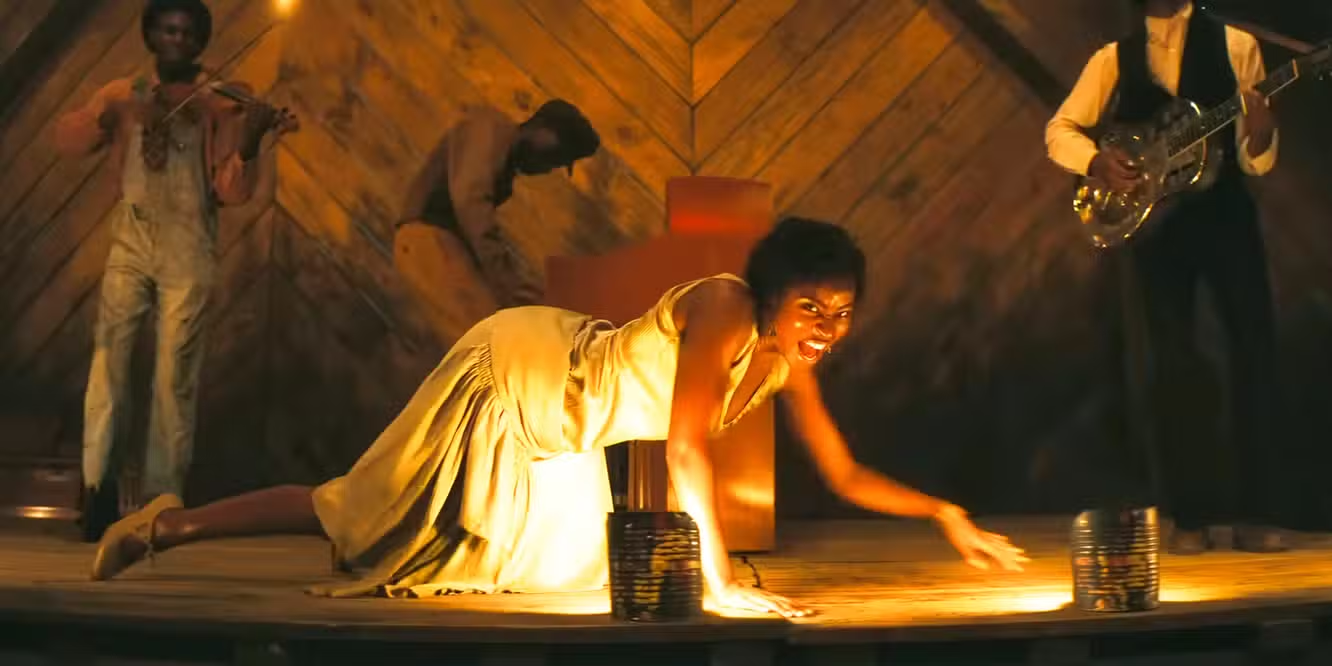
13. Sinners (dir. Ryan Coogler)
I was nervous about Ryan Coogler's return to original filmmaking. After years contracted by Disney, forced to make movies for evil children, I wasn't sure whether he still had it in him. It seems that Coogler was acutely aware of this perception and made a film that directly addressed it with a story about (among other things) the way racialised capitalism traps Black artists.
In Sinners, he makes up for lost time and leaves nothing on the table. Where Disney imposed sexlessness, Sinners is unashamedly horny. Where the MCU required technical uniformity, he got to indulge his special interest in film formats. For every artistic decision where the question is "should I really be doing this?" the answer is invariably "YES!"
This ambition undergirds the film's most talked-about sequence, a musical number that transcends time and genre. Critics have framed this 'big swing' as divisive but I'm yet to talk to anyone who didn't find it outstanding. One of my favourite cinema experiences of the year.
How you can watch it: Rent it from AroVision.
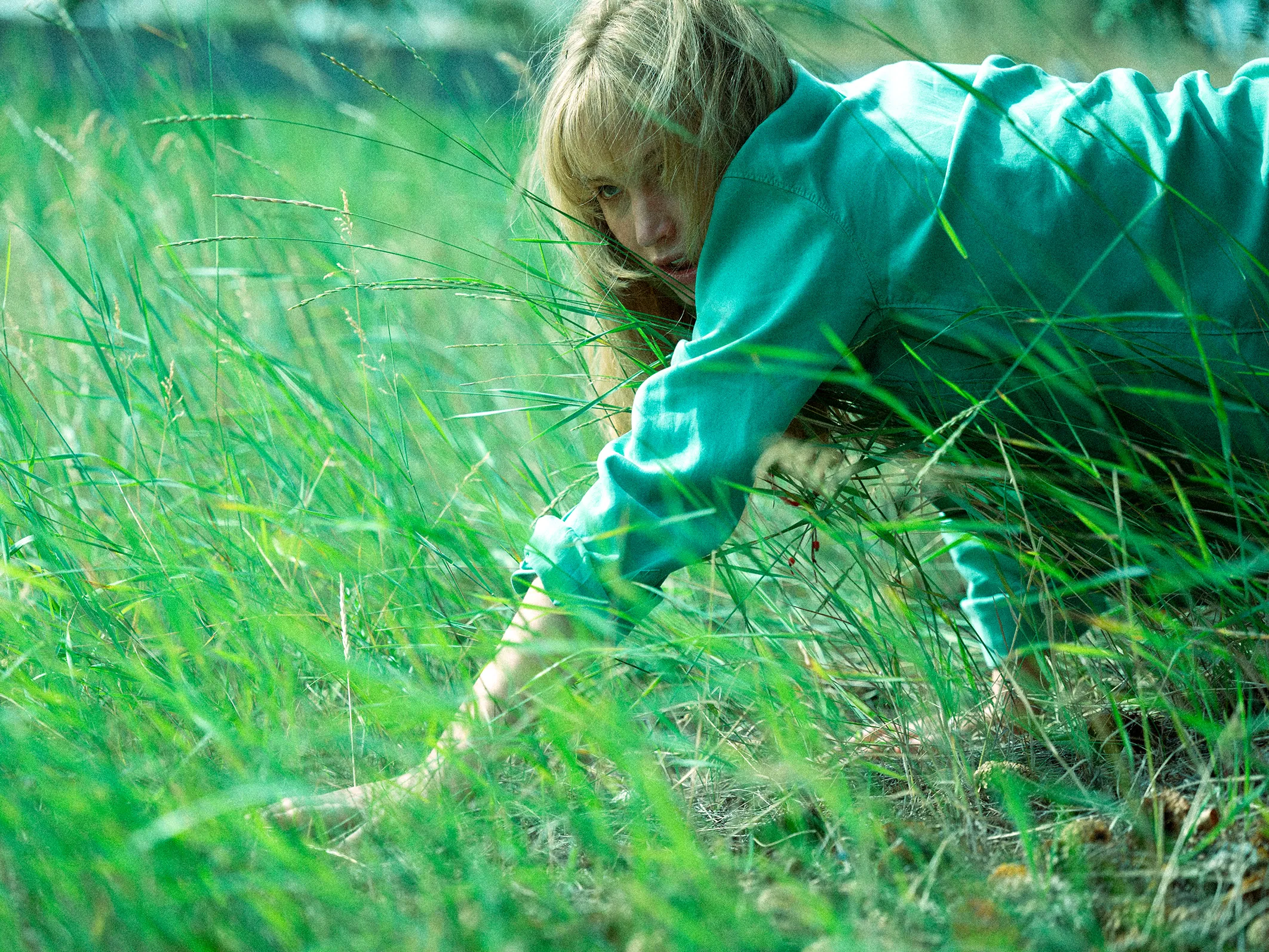
12. Die My Love (dir. Lynne Ramsay)
If you asked a selection of critics to identify the best millennial Hollywood actress, I reckon most would say Emma Stone (and for good reason, see entries 9 and 18). Few would seriously consider Jennifer Lawrence, a screen presence that has often felt awkward and miscast. But when Stone praised Lawrence in a New Yorker interview earlier this year, she located something really insightful:
She just becomes it. If an actor is onstage with a cat, who are you going to watch? The audience would watch the cat. Because it’s going to respond genuinely in the moment, while the actors are still acting. It’s that quality. Jen’s the cat… She just becomes it, like a child actor. The circumstance around you is real. Be in it. That’s what everybody wishes they could do.
Legendary Scottish filmmaker Lynne Ramsay must have seen the same thing when she cast Lawrence in Die My Love and gave the star some relief from years of franchise crap and David O Russell slop.
One of several films this year about mentally ill moms, Ramsay uses Lawrence's singular presence to take her depiction of onscreen postpartum depression all the way to 100. This is what Ramsay does best, from her first film Ratcatcher, she has used socially realist premises as a jumping-off point for poetic expressivity. In Die My Love, Lawrence becomes the cat that Stone always knew she could be, an absolutely feral embodiment of someone at their emotional worst. If you thought Ramsay's Morvern Callar pushed the limits of 'good for her', wait until you see Robert Pattinson and LaKeith Stanfield (both contenders for best male onscreen millennial) wilting in the face of her righteous rage.
How you can watch it: Die My Love has just left cinemas but is starting to pop up on mainstream streaming sites.
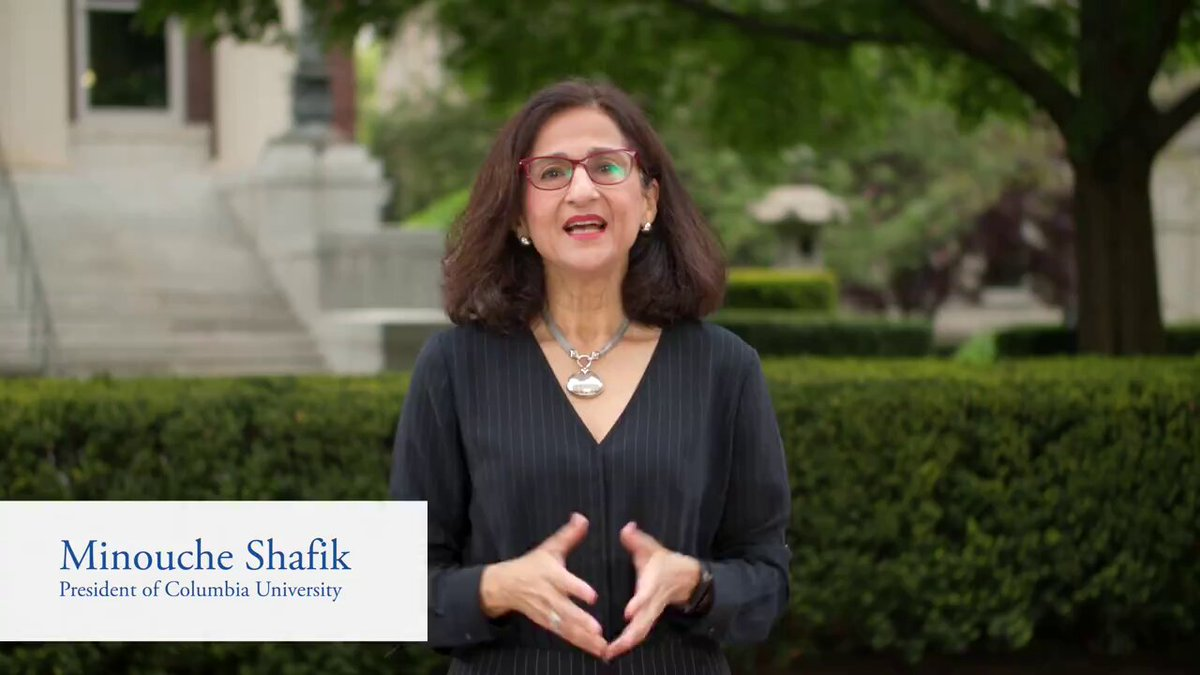
11. The Encampments (dirs. Michael T Workman, Kei Pritsker)
In 2024, students at Columbia University in New York, including Mahmoud Khalil, set up an encampment in protest of the institution's complicity in the Gaza genocide. This was followed by similar actions around the United States and internationally. In Te Whanganui-a-Tara, members of Students for Justice in Palestine were able to use the threat of the encampments to secure a meaningful BDS motion.
This documentary focuses on the Columbia encampments and its outcomes nationally and internationally. It's worth watching for both the praxis and moral clarity of its young activists as well as the cowardice of university administrators and American lawmakers. I'm sure many New Zealand students will recognise the empty equivocation of Columbia President Minouche Shafik in figures closer to home.
How you can watch it: Stream it from Watermelon Pictures.
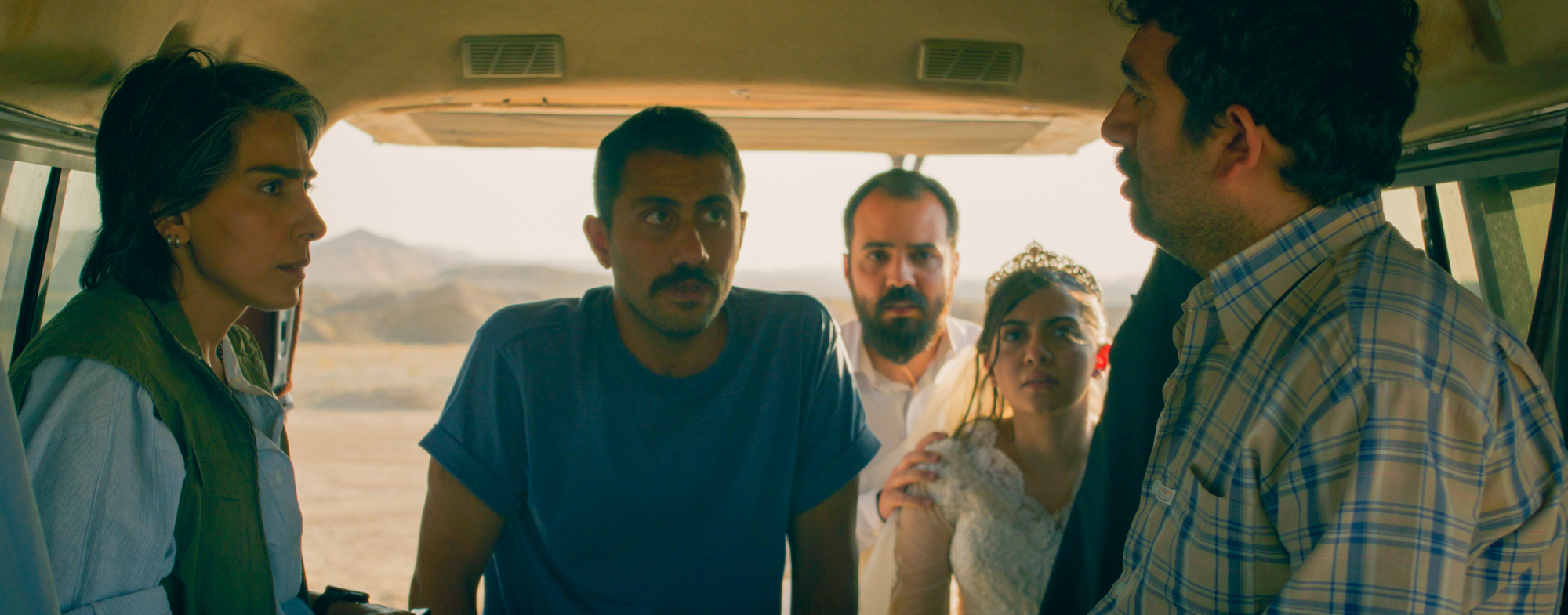
10. It Was Just an Accident (dir. Jafar Panahi)
In Dragon Ball Z, characters will train with weighted clothing so that when the time comes for the big battle, they can cast it off and reach unprecedented levels of strength. Despite the weight of state censorship on Jafar Panahi, he has been able to make several great films within the strictures of house arrest and persecution. It Was Just an Accident may have been another clandestine production, but it feels like the man casting off the weight and operating at full power.
This is mainly because the movie is so much more conventional than everything between 2011's This Is Not a Film and 2022's No Bears. Each of those films contains metatextual elements (influenced by his mentor Abbas Kiarostami) alluding to the restrictions placed on him. It Was Just an Accident is a straightforward thriller about a mechanic (Vahid Mobasseri) who encounters a man he suspects of being his torturer during his time as a political prisoner. Vahid tracks down the others with whom he was incarcerated to work out a way to settle their old scores.
I'm a sucker for a crime movie focused on bumbling protagonists who are out of their depth. Even as this film grapples with some pretty weighted subject matter: revenge, forgiveness and repression by the Iranian State, it is a hilarious caper about a bunch of ordinary people scrambling for closure.
How you can watch it: It Was Just an Accident is getting a wide release from 29 January 2026.
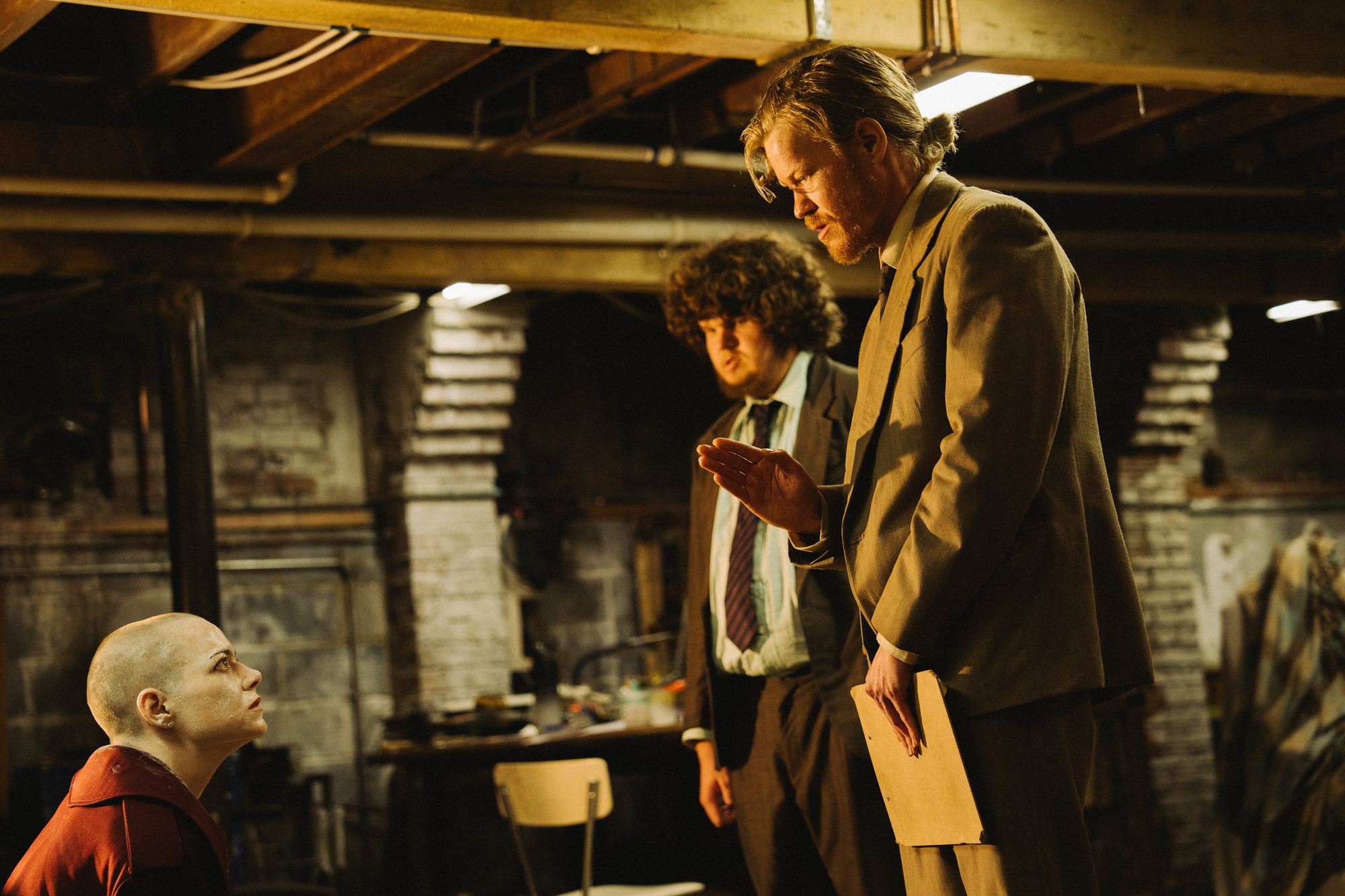
9. Bugonia (dir. Yorgos Lanthimos)
All Yorgos Lanthimos' films exist on a spectrum between the hopepunk body positivity of Poor Things and the abject bleakness of The Killing of a Sacred Deer. A lot of critics have seen Bugonia as a return to his earlier, more cynical work but its success lies in the ways it deftly maintains audience sympathy.
A surprisingly faithful remake of Jang Joon-hwan's Save the Green Planet, Bugonia changes a few key things from the source material. In the Korean film, a man and a woman kidnap a male pharmaceutical executive they suspect of being an alien. By casting frequent collaborator Emma Stone as the executive and having the kidnappers be male, Lanthimos problematised the gender dynamics. As a film about a ruling class who is so inhuman, they may as well be extra-terrestrial, the audience sympathy needs to stay with the kidnappers, even when they do messed-up things. In order to make this work, Bugonia dials back on the torture and gives a deeper characterisation to the executive with Stone making her at once sinister, powerful and ambiguous.
What makes the film really work though are the performances of Jesse Plemons and newcomer Aidan Delbis as the captors. I have never seen such an empathetic and sad portrait of characters who've been driven mad by the internet. As fucked up as humanity is, it deserves to be saved.
How you can watch it: Bugonia is available to stream across a number of mainstream sites.
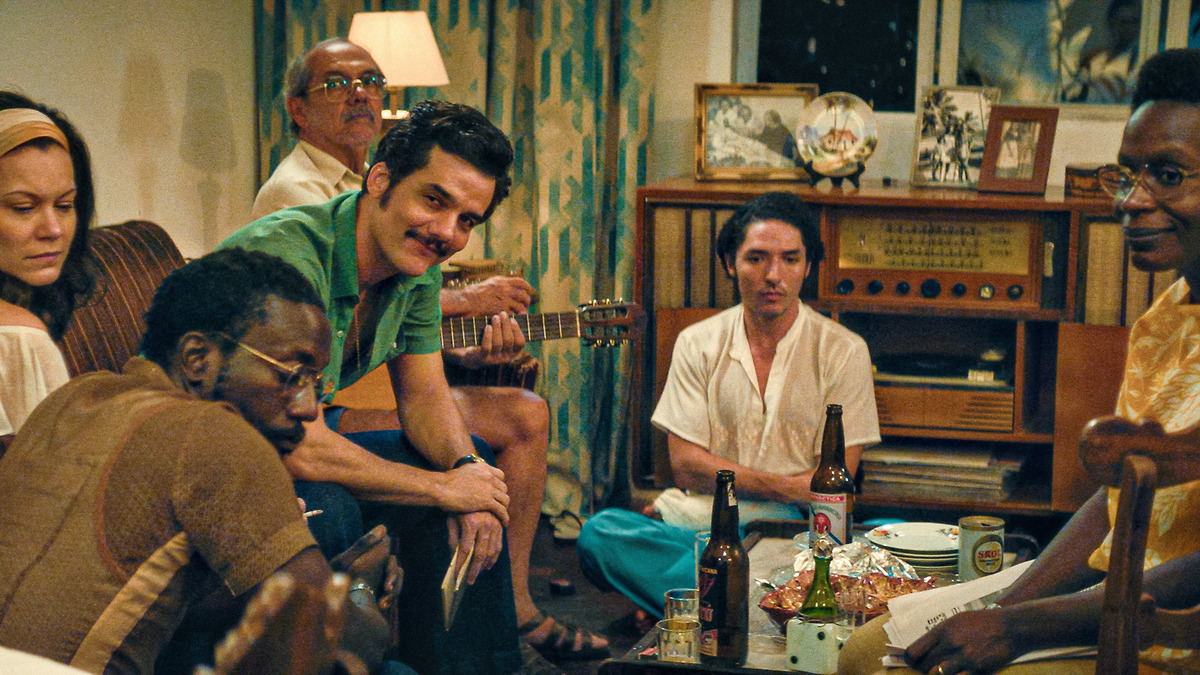
8. The Secret Agent (dir. Kleber Mendonça Filho)
For all the dumb 2025 films that pit their protagonists against fascist strawmen (Wake Up Dead Man, The Running Man, Freaky Tales, etc), few seem to get it the way Kleber Mendonça Filho does.
The Secret Agent stars S-tier sad sack Wagner Moura (Narcos, Civil War, also stuff that doesn't suck) as Armando, a man who has fallen afoul of the military dictatorship in 1977 Brazil. Armando's beef with the regime may be interpersonal rather than ideological but it doesn't matter, he's a marked man. He must find common cause with a group of dissidents and cooperate with them for the sake of his young son.
I can't think of any leftist filmmaker who is as good at dramatising what is at stake as Mendonça. From the Recife neighbourhoods of Neighbouring Sounds and Aquarius to the utopian village of Bacurau (even the communal cinema experience of Pictures of Ghosts), he clearly loves the solidarity offered by a community of diverse individuals. That is the role served by Dona Sebastiana's (Tânia Maria) group of political refugees, unable to tell each other their real names even as their fates are inextricably bound together.
The other thing he does really well is situate his films in time. The 1970s may have been a dark time for Brazil but there are characters here who have been through it all before. Dona Sebastiana remembers being in Italy during the dawn of fascism and the character of Hans (the great Udo Kier in his final role) is revealed to be a Holocaust survivor. Eventually, the film zooms out to a present-day Brazil that is still grappling with much more recent waves of fascism.
Like Bacurau, The Secret Agent is one hell of a genre film. Not just a tense thriller but also a hilarious comedy. I can't think of a funnier way to dramatise the intergenerational recurrence of Brazilian fascism than by having at least three fascist characters accompanied by dumb 'failsons'.
How you can watch it: The Secret Agent is getting a wide release from 22 January 2026.
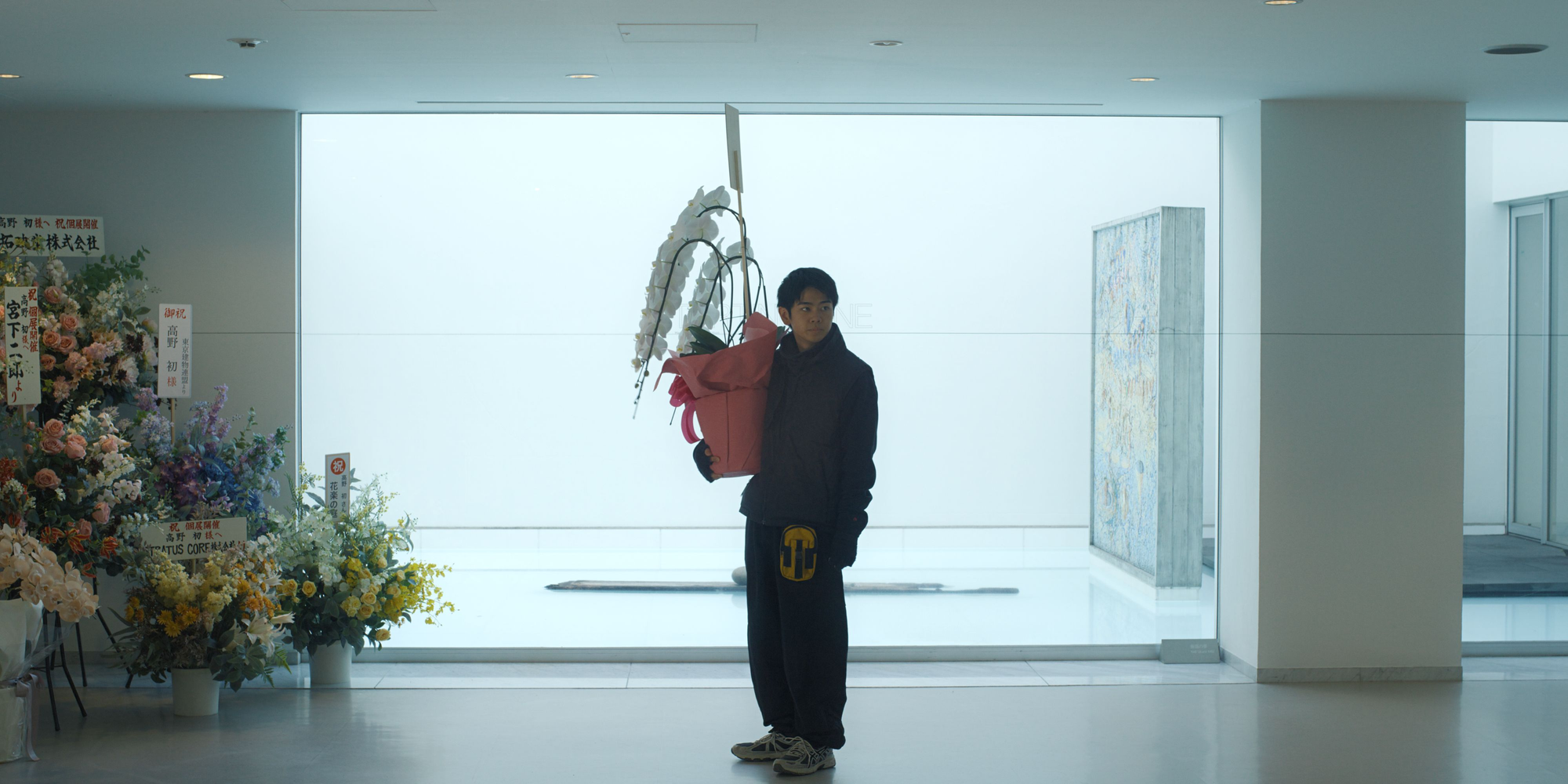
7. Brand New Landscape (dir. Yuiga Danzuka)
The prologue of this film, in which the professional sphere encroaches on the family unit, may lull viewers into expecting something more intimate. But it keeps going and the scope expands, and it blossoms into something really unique. This is a fantastic film about the impossibility of separating the morality of our professional lives from our interpersonal relationships.
Every time it threatens to be a bit dry or austere, something happens to inject some hope into its world. This often comes in the form of Ryo Teranishi’s beautiful electronic score that had me thinking about the emotional generosity and subtle magical realism of All We Imagine as Light.
How you can watch it: There is not currently any way to legally watch Brand New Landscape in New Zealand.
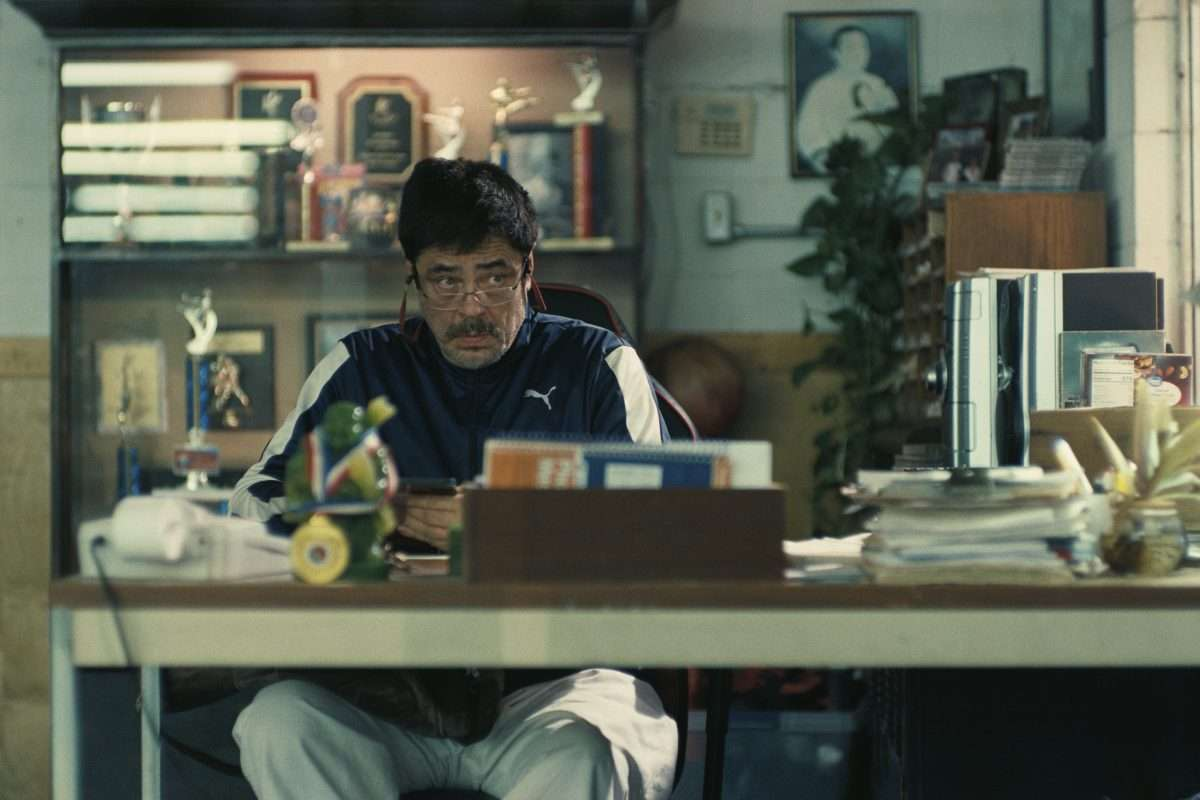
6. One Battle After Another (dir. Paul Thomas Anderson)
I've already said a lot of what I want to say about this film in my piece on intergenerational approaches to activism. Whether or not it's lived up to the hype and whatever your view is on the depth of Anderson's understanding of activism, you gotta hand it to the guy for making one of the most propulsive pieces of cinema this year. This is an absolute blast and a miracle of adaptation (even without the kaiju in its source material).
How you can watch it: Rent it from AroVision.
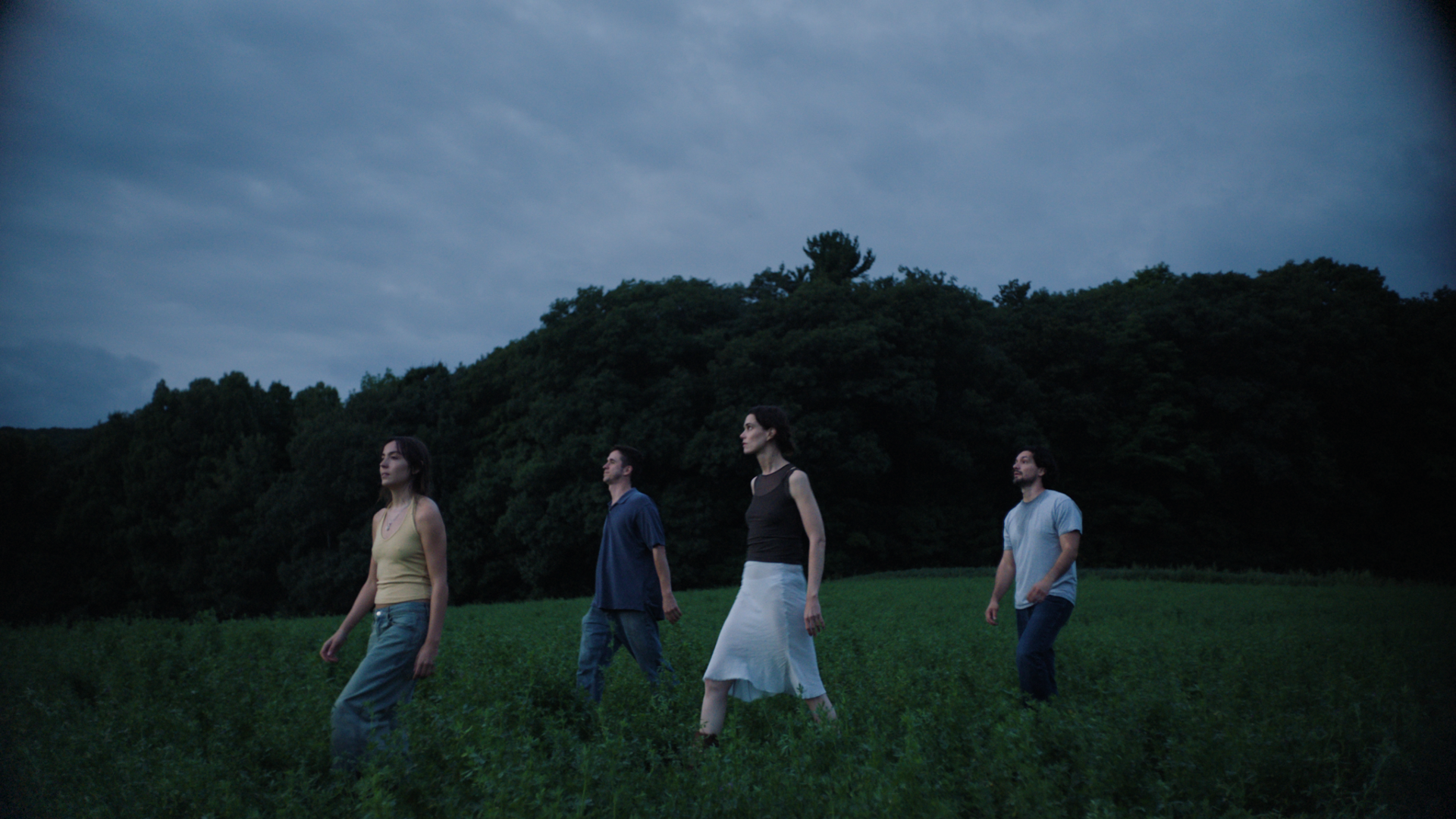
5. Elsewhere at Night (dir. Marianne Métivier)
I keep being pleasantly surprised by the quality of recent Québécois movies (Red Rooms, Falcon Lake, Universal Language, I'll take your word on the twee vampire movie, I ain't watching that). Despite this providence, I was not prepared to be as devastated as I was by Marianne Métivier's debut film.
Sound artist Marie is staying in a rural area to which she doesn't belong, trying to find something she can work with (comparisons to Memoria are not undeserved). Eventually the narrative shifts from rural to urban, introducing Marie's girlfriend Jeanne (previously just a voice on the phone) and Eva, a young Filipino migrant. Without spoiling too much, the adeptness with which the film's focus changes had my jaw on the floor. The relationship between sound and place, city and countryside, core and periphery, memory and reality has rarely been rendered in such a profound way.
Of all the films on this list that didn't make it to New Zealand cinemas, this one bums me out more than any other given the importance of sound design.
How you can watch it: There is not currently any way to legally watch Elsewhere at Night in New Zealand.

4. Caught by the Tides (dir. Jia Zhangke)
Why I loved it: In one of the year's most fortuitous examples of unintentional symmetry, two outstanding Chinese films charted a course through time by using cinema history as a vessel. In Bi Gan's Resurrection, that history ends with the 20th Century. In Caught by the Tides it begins with the 21st.
Several of Jia Zhangke's best films have blended documentary with narrative by setting drama against the backdrop of major historical events, most notably the flooding that resulted from the creation of the Three Gorges Dam. In Caught by the Tides, he uses outtakes from three of those films: Unknown Pleasures (2002), Still Life (2006) and Ash is Purest White (2018) to create a temporal narrative from this work. All three have the advantage of starring Zhao Tao (Jia's wife) who also appears in scenes set in the 2020s.
From a 20-something 'club girl', carefree and dancing to turn-of-the-century pop hits to a world-weary 40-something, wearing a COVID mask and sharing a scene with a robot, Zhao's wordless performance embodies 22 years of history. Even with most of her screentime coming from other, decades old, films, she gives one of the best performances this year, anchoring an experiment that could easily fall apart under the weight of its concept. Watching her age onscreen as China changes around her has resulted in a document of the march of time as effective as anything I have ever seen. It's like Boyhood with intent!
How you can watch it: There is not currently any way to legally watch Caught by the Tides in New Zealand.
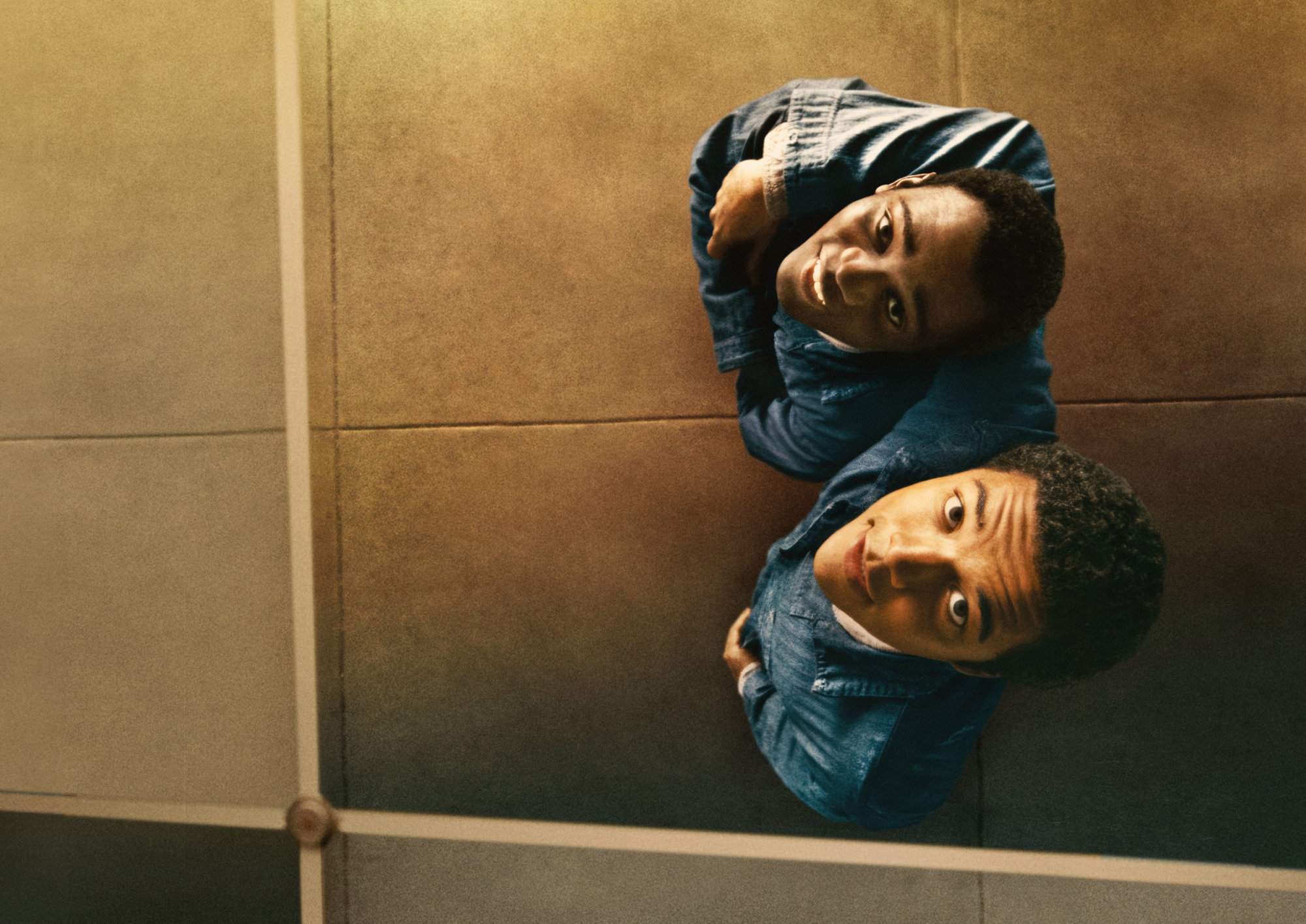
3. Nickel Boys (dir. RaMell Ross)
Nickel Boys is a miracle of adaptation, turning one of Colson Whitehead's more conventional books into something anything but.
Previously a documentary filmmaker, RaMell Ross turns his attention to a story that is ostensibly fictional but could have happened anywhere in the United States (or Aotearoa where we are still avoiding grappling with our own history of abuse in state care). Specifically, it is a segregated boys' home in Jim Crow-era Florida where two Black kids Elwood and Turner are institutionalised.
The genius of the approach taken by Ross and DOP Jomo Fray is their use of POV photography. For most of the film, we are seeing the home through the eyes of one of the two boys. The series of 'one-ers' is punctuated with period stock footage and scenes from Stanley Kramer's 1958 chain gang film The Defiant Ones. The result puts us in the shoes of its protagonists, but it also serves a narrative purpose to add weight to a particular decision made by Whitehead. Rather the adding to the claustrophobia, it paradoxically gives the mise-en-scène a Malickian quality since the two boys are not necessarily going to look directly at the abuse and violence in front of them.
How you can watch it: Nickel Boys is available to stream from Prime Video.

2. Put Your Soul in Your Hand and Walk (dir. Sepideh Farsi)
For last year's list, I grouped together all the 2024 documentaries about Palestine as a single entry to avoid the list being dominated by documents of the most immediate atrocities. In hindsight, this feels like a bit of a cop-out. It's so hard to write about cinema as an act of defiance in the face of genocide alongside something like Rap World.
In 2025, I continued to watch as many films by and about Palestinians as possible and it would have been possible to include several more on this list. Much like the devastating shorts Palcorecore and The Flowers Stand Silently, Witnessing, Sepideh Farsi's documentary is about how our understanding of the genocide is mediated through images.
Put Your Soul in Your Hand and Walk is a compilation of Zoom interviews between Farsi and Gazan photojournalist Fatima Hassouna. Like Farsi, most of us have experienced the depravity of what's going on in Gaza via the internet. As an interviewer, Farsi grapples with her own feelings of impotence, helplessness and injustice. An Iranian refugee, she occasionally and unhelpfully projects her own experiences of Islam onto her devout subject. Throughout it all, Hassouna remains cheerful and unfazed, despite actually being in Gaza.
As I sat in the cinema, seeing such a sober and clear-eyed representation of resistance filmed on a phone, a screen inside a screen inside a screen, I realised everyone around me was sobbing.
How you can watch it: There is not currently any way to legally watch Put Your Soul in Your Hand and Walk in New Zealand but Watermelon Pictures has a growing selection of Palestinian films including several 2025 documentaries.
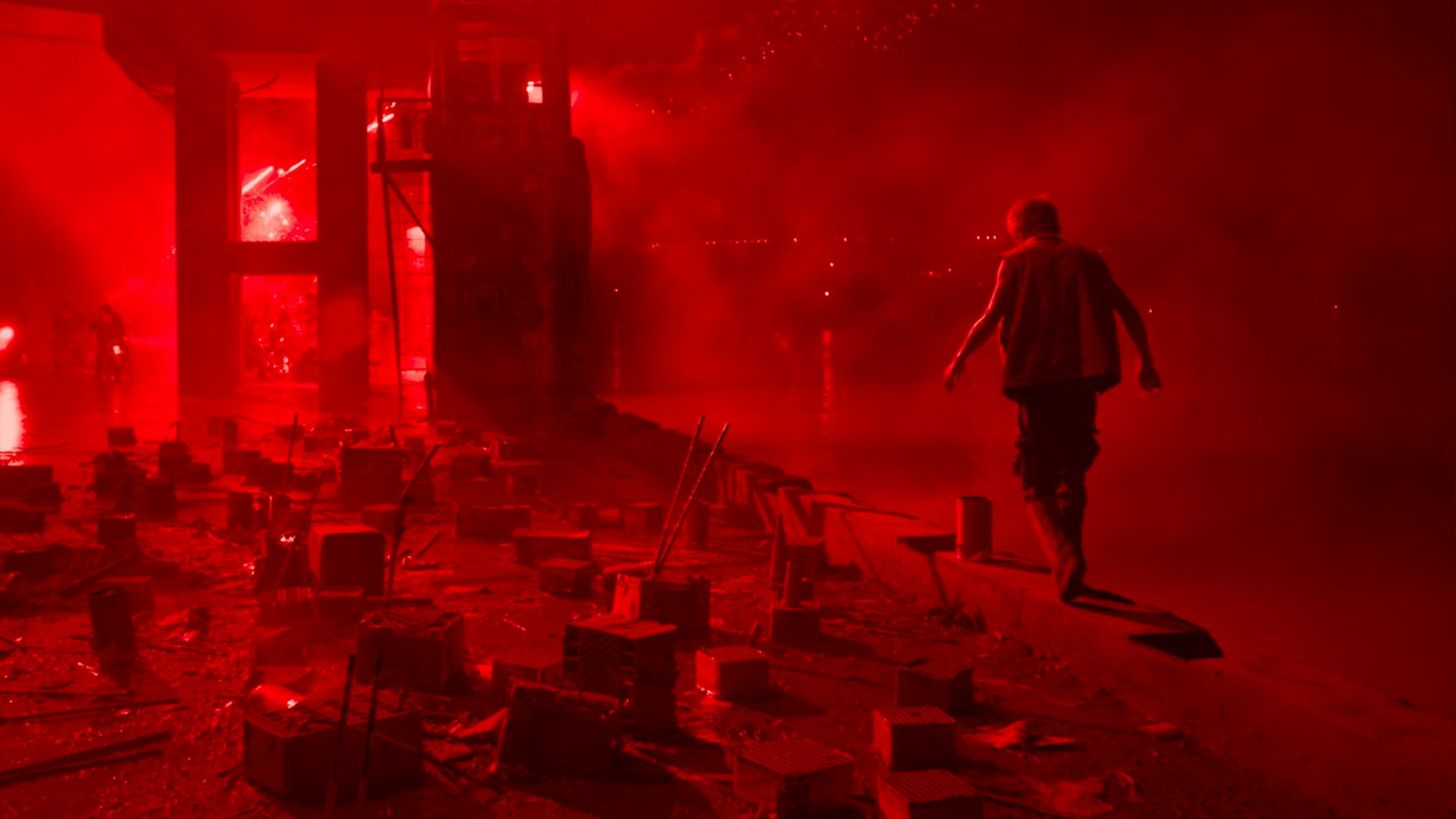
1. Resurrection (dir. Bi Gan)
The first film I saw from wunderkind Bi Gan was A Long Day's Journey into night in 2019. That film flourished with a 59-minute unbroken 3D shot that was so masterful, I started levitating in E row. The best thing I saw in 2025 was a continuation of that film's dedication to pure cinema.
That Resurrection is so cinematic is somewhat ironic, given that it sort of frames cinema as an inherently 20th century artform. Most of the runtime is the dying vision of a 'Deliriant', one who commits the crime of dreaming in a dystopia that has criminalised the act. As he is being euthanised, he experiences a series of stories, each tied to a sense and a moment of 20th Century Chinese cinema.
The final story, the last thing the Deliriant experiences before he dies, takes place on New Year's Eve 1999. This is where Bi gets to flex his preternatural ability to film long, unbroken shots. Here, the dirtbag protagonist moves around the karaoke bars of a port city in pursuit of a girl during what feels like the end of the world.
I was in tears throughout this whole section. Resurrection is a eulogy for cinema, for the act of dreaming. As modes of film production are increasingly outsourced to those who are incapable of dreaming like algorithms and billionaires, it's hard not to be pessimistic. But the existence of someone like Bi gives me hope for some sort of resurrection.
How you can watch it: There is not currently any way to legally watch Resurrection in New Zealand.
What do you reckon? Do you disagree with my takes? Think I've missed something? Get in touch!